Technology has always been a cornerstone of human progress. From the invention of the wheel to the rise of artificial intelligence, technological advancement has continuously reshaped the way we live, work, and interact with the world. In the modern era, the pace of technological innovation has accelerated dramatically, transforming industries, creating new opportunities, and challenging traditional norms. In this article, we will explore various facets of technology, from computing and artificial intelligence to renewable energy and the future of human-computer interaction.
The Foundation of Modern Technology: Computing
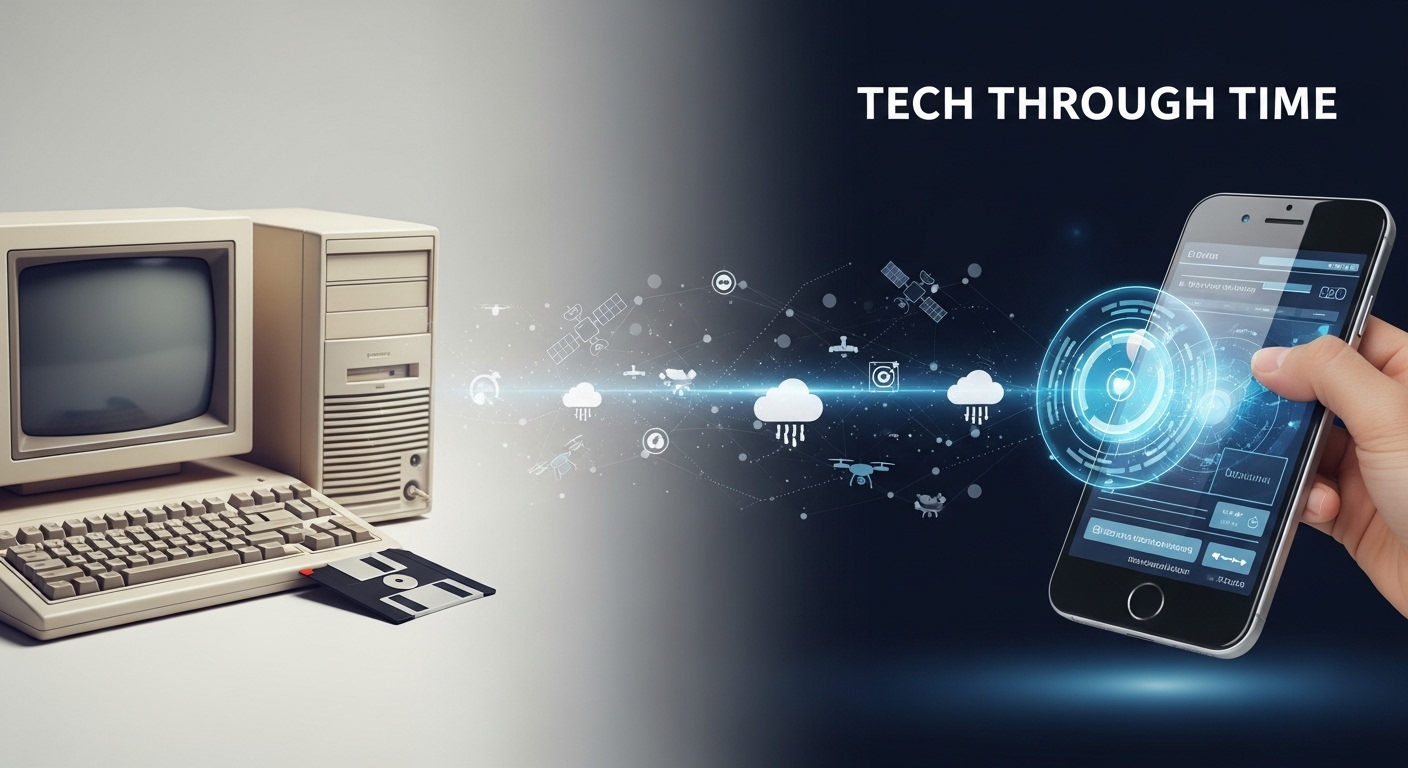
At the heart of most technological advancements lies computing. The history of computing is a story of exponential growth, moving from room-sized machines to powerful devices that fit in our pockets. Modern computers are no longer just tools for calculation; they are hubs of communication, creativity, and innovation.
Evolution of Computers
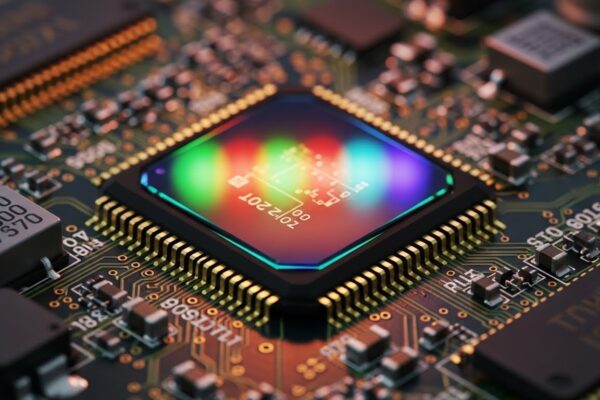
Early computers were large, mechanical devices designed to solve complex mathematical problems. The introduction of transistors in the mid-20th century drastically reduced their size and increased their reliability. Later, the development of integrated circuits further miniaturized components, enabling the creation of personal computers in the 1970s and 1980s. Today, modern computers are more powerful than the supercomputers of previous decades, and advancements continue with quantum computing on the horizon.
Impact of Computing on Society
Computing has revolutionized every aspect of society. From education and healthcare to finance and entertainment, the ability to process, store, and transmit information has created unprecedented efficiencies. Computers enable scientists to simulate complex phenomena, allow businesses to manage global operations seamlessly, and empower individuals to access knowledge instantly.
Artificial Intelligence: The Brain of Modern Machines
Artificial intelligence (AI) has become one of the most transformative technologies of the 21st century. By enabling machines to learn, reason, and make decisions, AI has redefined the limits of automation and human-machine collaboration.
Machine Learning and Deep Learning
Machine learning, a subset of AI, allows computers to recognize patterns and improve performance over time without explicit programming. Deep learning, a further advancement, uses artificial neural networks to mimic the way the human brain processes information. These technologies have driven breakthroughs in image recognition, natural language processing, and predictive analytics, making AI an integral part of applications ranging from virtual assistants to medical diagnostics.
AI in Daily Life
The influence of AI extends far beyond research labs. Smart home devices, personalized recommendations on streaming platforms, and advanced navigation tools are just a few examples of AI in daily life. In healthcare, AI algorithms analyze vast datasets to detect diseases early, suggest treatment options, and even assist in surgical procedures. In finance, AI-powered systems manage risk, detect fraud, and optimize investments with unprecedented precision.
Ethical Considerations
With great power comes great responsibility. AI raises ethical questions regarding privacy, bias, and decision-making transparency. As machines take on more complex tasks, it is crucial to establish guidelines that ensure AI benefits society without reinforcing existing inequalities or compromising human rights.
The Rise of Mobile Technology
Mobile technology has changed how we communicate, access information, and conduct business. Smartphones, tablets, and wearable devices have created an always-connected world where knowledge, entertainment, and social interactions are just a tap away.
The Smartphone Revolution
The advent of smartphones revolutionized the tech landscape by combining computing power with mobility. Beyond voice calls and messaging, modern smartphones serve as cameras, GPS devices, banking tools, and health monitors. The app ecosystem further extends their capabilities, enabling users to perform tasks that were once possible only on desktop computers.
Connectivity and 5G Networks
High-speed connectivity is critical to the mobile revolution. The deployment of 5G networks promises faster data transfer, reduced latency, and support for a massive number of connected devices. This connectivity not only enhances the user experience but also enables innovations like autonomous vehicles, smart cities, and advanced industrial automation.
The Internet of Things: A Connected World
The Internet of Things (IoT) represents a shift toward a world where everyday objects are interconnected, sharing data and enabling intelligent decision-making.
Smart Homes and Cities
IoT devices have transformed homes and cities alike. Smart thermostats adjust temperature settings based on user behavior, security cameras provide real-time monitoring, and connected appliances optimize energy usage. On a larger scale, smart city initiatives use IoT to manage traffic, reduce energy consumption, and improve public safety.
Industrial IoT
Beyond consumer applications, IoT has significant implications for industries. Sensors embedded in manufacturing equipment monitor performance, predict maintenance needs, and reduce downtime. Supply chain logistics benefit from real-time tracking, while agriculture leverages IoT to optimize irrigation and crop management. The industrial IoT is not just about efficiency—it is about creating data-driven ecosystems that redefine operational standards.
Cloud Computing and Big Data
The explosion of digital data has created an urgent need for scalable storage and processing solutions. Cloud computing and big data analytics address these challenges, enabling organizations to harness information for decision-making and innovation.
Cloud Infrastructure
Cloud computing allows businesses and individuals to access computing resources on-demand without maintaining physical hardware. Services like infrastructure as a service, platform as a service, and software as a service provide flexibility, scalability, and cost efficiency. The cloud has become a backbone for modern software development, collaboration, and global business operations.
Big Data Analytics
Big data analytics involves analyzing massive datasets to uncover patterns, correlations, and insights. From predicting consumer behavior to identifying healthcare trends, the ability to process and interpret data is transforming industries. Companies leverage analytics to optimize marketing strategies, improve supply chains, and enhance customer experiences, while governments use it for urban planning, security, and public health initiatives.
Cybersecurity: Protecting the Digital World
As technology becomes more integral to daily life, cybersecurity has emerged as a critical concern. Protecting digital assets, personal information, and national infrastructure requires sophisticated strategies and constant vigilance.
Threats and Vulnerabilities
Cyber threats range from malware and phishing attacks to sophisticated state-sponsored cyber warfare. Vulnerabilities can exist in software, hardware, and even human behavior, making comprehensive security measures essential. As the number of connected devices grows, the potential attack surface expands, increasing the need for robust security frameworks.
Emerging Security Solutions
Modern cybersecurity strategies rely on multi-layered defenses, including firewalls, encryption, intrusion detection systems, and behavioral analytics. AI-powered security tools can detect anomalies in real-time, enabling proactive threat mitigation. Additionally, education and awareness play a crucial role, as human error remains a leading cause of security breaches.
Renewable Energy Technology
Technology is not limited to computing and connectivity; it also drives innovations in sustainability. Renewable energy technology addresses the growing need for clean, efficient, and reliable power sources.
Solar and Wind Energy
Solar panels and wind turbines have become increasingly efficient and cost-effective, making renewable energy accessible to both consumers and businesses. Advanced materials, energy storage solutions, and smart grid integration further enhance the viability of solar and wind power.
Energy Storage and Efficiency
Battery technology and energy management systems are critical for balancing supply and demand. Innovations in energy storage, such as lithium-ion batteries and emerging solid-state technologies, enable renewable energy to compete with traditional power sources. Additionally, smart energy systems optimize consumption, reduce waste, and support sustainable urban development.
The Future of Human-Computer Interaction
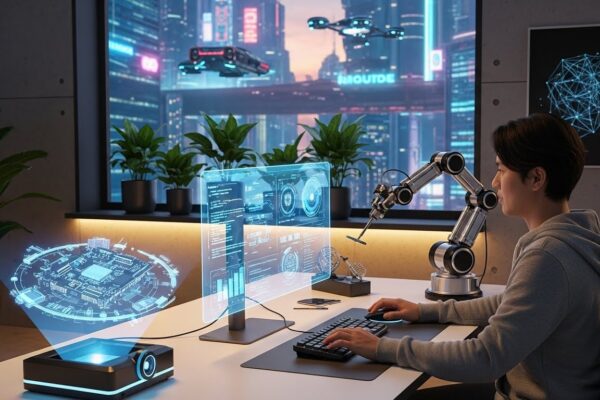
The way humans interact with machines is evolving, driven by advancements in virtual reality (VR), augmented reality (AR), and brain-computer interfaces (BCIs). These technologies promise immersive, intuitive, and seamless experiences.
Virtual and Augmented Reality
VR creates fully immersive digital environments, while AR overlays digital information onto the physical world. Applications span gaming, education, healthcare, and training, providing new ways to learn, explore, and collaborate. The line between physical and digital experiences is blurring, opening new possibilities for creativity and productivity.
Brain-Computer Interfaces
BCIs represent the next frontier in human-computer interaction, allowing direct communication between the brain and machines. While still in early stages, BCIs have potential applications in medical rehabilitation, communication for individuals with disabilities, and even enhancing cognitive abilities. The fusion of neuroscience and technology could redefine human capabilities in the coming decades.
Robotics and Automation
Robotics and automation have transformed industries, from manufacturing to healthcare. Robots can perform repetitive, dangerous, or precise tasks, increasing efficiency, safety, and productivity.
Industrial Automation
In factories, robotic arms assemble products with speed and precision, reducing errors and labor costs. Automated systems monitor production lines, manage inventory, and optimize workflows, enabling industries to scale operations efficiently.
Service and Healthcare Robots
Beyond industrial applications, robots assist in healthcare, hospitality, and domestic environments. Surgical robots enhance precision in complex procedures, while service robots deliver goods, assist patients, and perform cleaning tasks. The integration of AI allows these robots to adapt to dynamic environments and interact intelligently with humans.
Emerging Technologies Shaping Tomorrow
Technology continues to evolve, with emerging fields poised to redefine our world in the coming years. Quantum computing, biotechnology, and space exploration are just a few areas where innovation is accelerating.
Quantum Computing
Quantum computing leverages the principles of quantum mechanics to perform calculations that are impossible for classical computers. By exploiting superposition and entanglement, quantum computers could revolutionize cryptography, materials science, and complex simulations, solving problems that currently take years in mere seconds.
Biotechnology and Genetic Engineering
Advances in biotechnology are transforming medicine, agriculture, and environmental management. Gene editing, synthetic biology, and personalized medicine enable targeted treatments, sustainable food production, and solutions to ecological challenges. Biotechnology combines biological understanding with engineering principles, offering solutions that were once purely science fiction.
Space Technology
Space exploration and commercialization are entering a new era. Innovations in reusable rockets, satellite technology, and space habitats are expanding our reach beyond Earth. Space technology not only drives scientific discovery but also stimulates technological advancements on Earth, from materials science to telecommunications.
Conclusion: Technology as a Catalyst for Change
The landscape of technology is vast, complex, and continually evolving. From the foundations of computing to the frontiers of AI, robotics, and space exploration, technological innovation drives progress across all sectors of society. While these advancements present challenges—ethical, social, and environmental—they also offer immense opportunities to improve quality of life, foster creativity, and address global issues. As we look toward the future, embracing technology responsibly and thoughtfully will be key to shaping a world that is not only smarter but also more equitable, sustainable, and interconnected.