Technology is the beating heart of modern civilization. It is not confined to gadgets or machines but affects how we live, work, communicate, learn, think, and even dream. From the earliest stone tools to quantum computers, human progress has always been tightly tied to technological innovation. In this blog, we will take a deep journey through different aspects of technology—its history, evolution, impact, present trends, and future possibilities.
The Roots of Technology and Early Human Innovation
Technology began when humans started using tools. Early humans used stones for cutting and bones for hunting, which may seem primitive today, but they marked a new era. With time came the discovery of fire, the invention of the wheel, and the development of agriculture. These were not just tools; they changed lifestyles completely and laid the foundation of societies.
The invention of the wheel was a turning point. It enabled easier movement, transportation of goods, and the creation of carts and vehicles. Fire helped in cooking, protection, and warmth. Agriculture allowed humans to settle in one place instead of wandering in search of food. Each of these technological advancements brought humans closer to the complex world we know today.
The Industrial Revolution and Mechanical Transformation
For thousands of years, progress was slow. But everything changed with the Industrial Revolution in the 18th century. Machines replaced manual labor in factories. Steam engines powered trains, ships, and industries. Production increased rapidly. Cities grew, industries flourished, and new jobs were created.
The invention of electricity in the 19th century brought even more transformation. Light bulbs, electric motors, and telegraphs made everyday life more efficient. Factories began to run longer hours. Communication became faster. This era marked the birth of modern technology.
The Digital Revolution and Birth of Computers
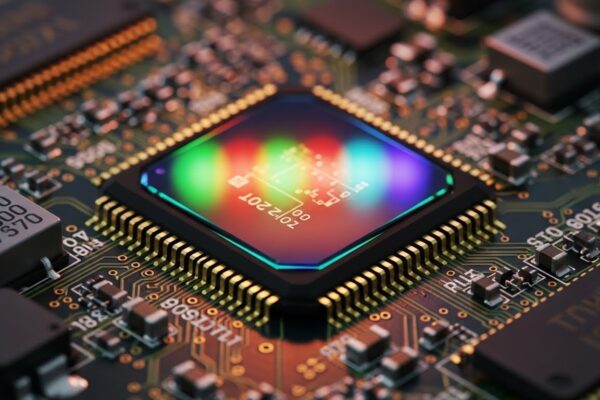
The next major shift came in the 20th century with the invention of computers. Early computers were large, heavy, and took up entire rooms. They were used mainly for military calculations and scientific research. But as transistors and microchips were invented, computers became smaller, faster, and more affordable.
The development of programming languages allowed people to instruct computers to perform various tasks. The birth of the personal computer brought technology into homes. Companies like IBM, Apple, and Microsoft helped shape the digital world. Soon after, the internet connected computers globally, and information began to flow across countries within seconds.
The Rise of the Internet and Global Connectivity
The internet changed human civilization more than any invention since electricity. Communication that once took weeks through letters could now be done instantly. Email, chat, and video calls connected people across continents. Information that was once hard to access became available at the click of a button.
Search engines helped people find knowledge instantly. Websites turned into digital marketplaces, classrooms, and entertainment centers. Social media platforms allowed individuals to share their voice globally. With the help of the internet, businesses operated internationally, remote work became possible, and education reached even the most remote corners of the world.
Smartphones and the Age of Pocket Technology
The invention of smartphones brought computers into our pockets. A smartphone is not just a phone; it is a camera, calculator, map, entertainment device, and much more. Mobile technology changed how we live daily. We can order food, book tickets, attend meetings, play games, and learn new skills—all from a handheld device.
Operating systems like Android and iOS allowed developers to create millions of apps. These apps simplified banking, health monitoring, learning, and social interaction. Smartphones became essential tools in both developed and developing countries. They connected people globally and opened opportunities for small businesses and creators.
Artificial Intelligence and Machine Learning
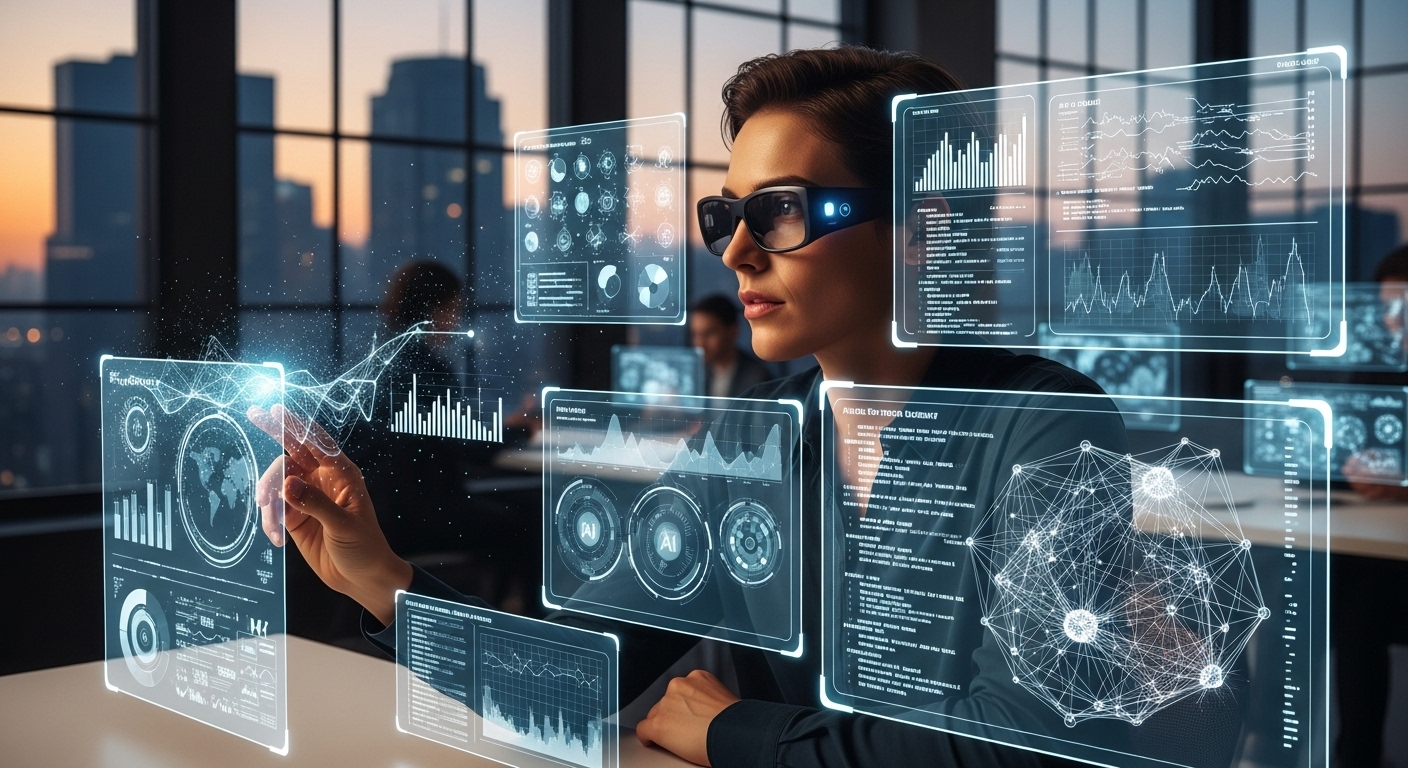
Today, one of the most exciting fields in technology is artificial intelligence (AI). AI enables machines to learn, think, and make decisions like humans. Machine learning, a part of AI, allows computers to learn from data without being directly programmed.
AI is used in voice assistants, face recognition, search engines, medical diagnosis, robots, and more. It helps doctors detect diseases faster, enables cars to drive themselves, and powers recommendation systems on streaming platforms. AI also plays a vital role in weather prediction, finance, and cybersecurity.
However, with great power comes responsibility. Many experts discuss ethical concerns related to AI. Questions about privacy, job displacement, and decision-making fairness need to be addressed as technology continues to develop.
Robotics and Automation in Workplaces
Robots are no longer science fiction. They now assist in manufacturing, healthcare, agriculture, and even space missions. Industrial robots assemble cars and electronics with precision. In hospitals, robotic arms are used for surgeries. In agriculture, drones monitor crops, and machines help in planting and harvesting.
Automation improves efficiency and reduces human error. But it also raises questions about job security. Some manual jobs are being replaced by machines. At the same time, new opportunities are created in fields like robotics engineering, software development, maintenance, and data analysis. The challenge is to prepare the workforce with new skills.
The Role of Technology in Education
Technology has transformed education in ways never imagined. Online classes allow students to learn from anywhere in the world. Digital textbooks, educational apps, and virtual classrooms have made learning more interactive and accessible.
Students can watch tutorials, attend live classes, submit assignments online, and even earn degrees without physically attending a school. Teachers use projectors, smart boards, and learning management systems to deliver content effectively. Technology has made education flexible and personalized.
However, digital education also creates a gap. Not every student has access to devices or the internet. Bridging this digital divide is essential to ensure equal opportunities for all.
Medical Technology and Saving Lives
Healthcare has seen tremendous advancement due to technology. Machines like MRI scanners, X-ray machines, and robotic surgery systems help doctors diagnose and treat patients with great accuracy. Wearable devices monitor heart rate, blood pressure, and sleep patterns.
During pandemics, technology played a crucial role in vaccine development, telemedicine, and tracking the spread of diseases. Artificial intelligence is used to predict outbreaks and study viruses. Telemedicine allows doctors to consult patients online, especially in remote areas.
Medical research also benefits from technology. Scientists use computers to analyze DNA and study diseases. 3D printing helps create artificial organs and prosthetics. All these innovations help in saving lives and improving quality of life.
Smart Homes and the Internet of Things
The Internet of Things (IoT) connects everyday objects to the internet. Smart homes are a great example of IoT. Devices like smart lights, thermostats, refrigerators, and security cameras can be controlled using smartphones or voice commands.
Smart speakers play music, set reminders, and answer questions. Smart TVs offer streaming entertainment. Home security systems detect movement and send alerts. IoT makes life more comfortable and efficient.
But as more devices connect to the internet, cybersecurity becomes a major concern. Protecting personal data and preventing unauthorized access is necessary to maintain safety.
Cybersecurity and Digital Protection
As technology advances, so do cyber threats. Hackers create viruses, steal personal data, and attack websites. Cybersecurity is the field that protects systems, networks, and data from digital attacks.
Strong passwords, encryption, firewalls, and antivirus software are common tools used for protection. Companies hire cybersecurity experts to prevent data breaches and safeguard information. Governments also create laws to protect citizens from cybercrime.
People must also be careful while using technology. Avoiding suspicious links, using secure networks, and protecting personal information online are important habits in the digital world.
Social Media and Digital Communication
Social media has changed how people communicate. Platforms allow users to share photos, thoughts, and experiences instantly. People stay connected with friends, family, and the world. Businesses use social media to promote products, interact with customers, and build brands.
Social media also provides a voice to individuals. Movements, discussions, and campaigns start online and reach millions. However, it also has negative effects. Problems like cyberbullying, addiction, misinformation, and privacy concerns arise. Using social media responsibly is important for a healthy society.
E-Commerce and the Digital Economy
Shopping has moved from markets to mobile screens. E-commerce allows people to buy products online and get them delivered to their doorstep. From groceries to gadgets, everything is available online. Digital payment systems make transactions fast and safe.
Small businesses can reach global customers using online platforms. Digital marketing helps businesses attract the right audience. The digital economy has created jobs in logistics, customer service, digital marketing, and web development.