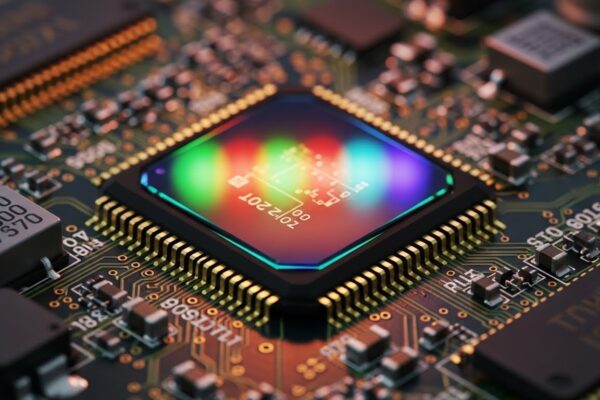
Introduction: The Unstoppable March of Technology
In the modern world, technology is no longer just a tool; it’s the driving force behind nearly every facet of our lives. From the way we communicate to how we work and even how we think, technology is reshaping the human experience at an incredible pace. As we move into an era defined by artificial intelligence, quantum computing, and automation, it’s becoming clear that the future of our society will be deeply intertwined with technological advancement. But what does this mean for our daily lives, and how can we navigate this constantly evolving landscape?
The Rise of Artificial Intelligence: The Age of Smart Machines
Artificial intelligence (AI) is perhaps the most significant technological breakthrough of our time. What was once the realm of science fiction is now very much a part of reality. AI systems, driven by machine learning algorithms, are already performing tasks that once required human intelligence. From facial recognition systems and smart assistants to predictive analytics in business, AI is becoming a cornerstone of industries around the world.
In healthcare, AI is helping doctors diagnose diseases faster and more accurately than ever before. In finance, AI algorithms are detecting fraudulent transactions and assisting with high-frequency trading. And in the workplace, automation powered by AI is making tasks like data entry, scheduling, and even customer support more efficient.
But as AI becomes more integrated into our lives, it raises important questions about privacy, ethics, and the future of jobs. The automation of certain tasks has already led to job displacement in some industries, and there’s growing concern about what will happen as AI becomes even more advanced.
Quantum Computing: The Next Frontier
While AI has captured most of the spotlight in recent years, quantum computing is another game-changing technology that promises to revolutionize industries and the way we think about computing itself. Unlike traditional computers, which use bits to represent data as either 0 or 1, quantum computers use qubits, which can exist in multiple states simultaneously. This allows them to solve problems that would take traditional computers millennia to crack in a fraction of the time.
In fields like cryptography, quantum computing has the potential to break current encryption methods, leading to both security risks and the opportunity to develop more advanced and secure encryption techniques. In medicine, quantum computers could help researchers simulate molecular structures to discover new drugs. In climate science, quantum algorithms could model complex environmental systems to predict weather patterns with greater accuracy.
However, quantum computing is still in its infancy. It faces significant technical challenges, including maintaining the delicate state of qubits, but researchers are optimistic that quantum computers will one day provide answers to some of the world’s most complex problems.
The Internet of Things: A Connected Future
The Internet of Things (IoT) refers to the growing network of interconnected devices that communicate with each other over the internet. These devices can range from smart thermostats and refrigerators to wearable fitness trackers and even connected cars. The promise of IoT is that it will create a more connected world, where everything from your home appliances to your workplace devices can work together seamlessly to improve efficiency and convenience.
For consumers, this means smart homes that can automate daily tasks like turning on lights or adjusting the thermostat based on your preferences. It also includes wearable health devices that track everything from your heart rate to your sleep patterns, providing valuable insights into your well-being. In industries like manufacturing, IoT allows companies to monitor equipment in real time, predicting when machines need maintenance before they break down, thus reducing downtime and improving productivity.
However, as with any technology, IoT comes with its own set of challenges. Security is a significant concern, as more connected devices mean more potential entry points for cyberattacks. Additionally, the vast amount of data generated by these devices raises issues around privacy and data ownership.
Blockchain Technology: The Future of Trust
Blockchain is a decentralized digital ledger technology that allows data to be stored securely across a network of computers. The technology gained attention as the foundation of cryptocurrencies like Bitcoin but its potential extends far beyond digital currencies. Blockchain offers a way to create transparent, tamper-proof records of transactions, which can be applied in many industries, from finance to healthcare.
In the financial sector, blockchain is enabling faster, more secure cross-border payments, cutting down on fees and transaction times. In supply chain management, it’s allowing for the tracking of products from origin to final destination, ensuring authenticity and reducing fraud. In healthcare, blockchain could be used to securely store patient records, allowing for more seamless sharing of information between providers while maintaining patient privacy.
The beauty of blockchain is that it eliminates the need for intermediaries in transactions, which can reduce costs and increase efficiency. However, the technology is still in its early stages, and regulatory issues, scalability, and energy consumption remain significant challenges.
The Future: Tech’s Ever-Expanding Role
As we look ahead, it’s clear that technology will continue to evolve at a rapid pace. Fields like biotechnology, nanotechnology, and augmented reality (AR) are all expected to see significant advancements in the coming years. Biotechnology could lead to breakthroughs in personalized medicine and even gene editing, allowing us to treat diseases at the genetic level. Nanotechnology holds the potential to create new materials with extraordinary properties, while AR could change the way we interact with digital information, offering new ways to visualize data and engage with the world around us.
At the same time, the increasing reliance on technology raises important ethical questions. How do we ensure that the benefits of these innovations are shared equitably across society? How do we address the risks posed by cybersecurity threats, data privacy, and the unintended consequences of advanced technologies?
Conclusion: Embracing the Tech Revolution
The future of technology is both exciting and uncertain. From AI to quantum computing, IoT, and blockchain, the innovations of today are setting the stage for the breakthroughs of tomorrow. As we embrace these advancements, it’s essential to consider not only their potential to improve our lives but also the ethical, social, and economic implications they bring.
Technology has the power to create a better, more connected world, but it’s up to us to ensure that we navigate this new landscape responsibly. By fostering innovation while addressing its challenges, we can build a future where technology works for everyone, not just a select few. The digital revolution is just beginning, and how we choose to embrace it will define the next chapter of human progress.