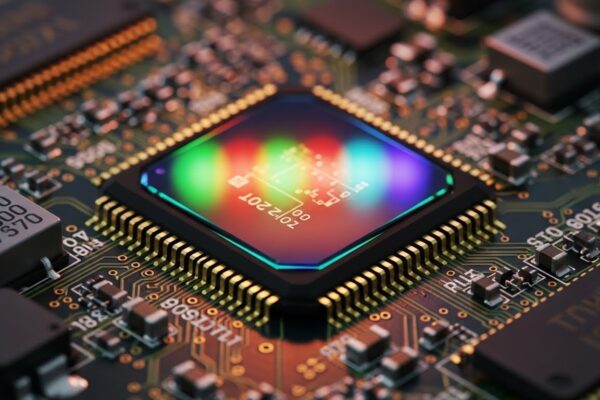
Technology has always been a driving force behind human progress, from the invention of the wheel to the digital revolution. Today, we are witnessing a period of unprecedented technological transformation that is reshaping industries, economies, and our daily lives. The pace of innovation is accelerating, and the technologies being developed now will define how we live, work, and interact in the coming decades. This blog explores the most influential emerging technologies, their potential, and the societal shifts they may create.
Artificial Intelligence: Moving from Assistance to Intelligence
Artificial Intelligence has evolved far beyond simple automation. AI systems can now learn, reason, and even create content in ways that were unimaginable just a decade ago. Machine learning and deep learning algorithms are being deployed across industries, enabling businesses to make smarter decisions, optimize operations, and enhance customer experiences.
AI is particularly transforming healthcare. Advanced AI models can analyze medical images, predict disease progression, and even suggest treatment plans. In business, AI-driven analytics can forecast market trends, improve supply chain efficiency, and personalize marketing strategies. Creative industries are also feeling the impact, with AI capable of generating music, visual art, and even literature.
The future of AI lies in its integration with other technologies such as robotics, the Internet of Things, and edge computing. As AI systems become more autonomous and capable of understanding context, we may see a shift toward machines that can collaborate with humans in real-time, enhancing productivity and enabling innovative solutions to complex problems.
Quantum Computing: Unlocking Unimaginable Computational Power
Quantum computing represents a paradigm shift in computing power. Unlike classical computers, which process information in binary form, quantum computers use qubits that can exist in multiple states simultaneously. This property allows them to perform calculations exponentially faster than traditional systems for specific types of problems.
Quantum computing has enormous potential in areas such as cryptography, material science, and complex simulations. For example, researchers can model molecular interactions at an atomic level to develop new drugs or discover new materials for energy storage. Financial institutions can use quantum computing to optimize investment strategies, and logistics companies can find the most efficient routes in real time.
Despite the potential, quantum computing is still in its early stages. Challenges like qubit stability, error correction, and scaling must be overcome before quantum computers become mainstream. However, ongoing research and investment by global tech companies indicate that a quantum future is closer than ever.
5G and Future Connectivity: The Backbone of a Digital World
The rollout of 5G networks is more than just faster internet. It represents a fundamental shift in how devices communicate, enabling ultra-low latency, massive device connectivity, and high-speed data transfer. This technology is critical for the growth of smart cities, autonomous vehicles, and industrial automation.
With 5G, autonomous cars can share real-time information about road conditions, reducing accidents and improving traffic flow. Smart cities can optimize energy consumption, monitor environmental conditions, and enhance public safety through connected sensors. In manufacturing, 5G allows for real-time monitoring of machinery and predictive maintenance, reducing downtime and increasing efficiency.
The future of connectivity does not stop at 5G. Researchers are already exploring 6G networks, which promise holographic communications, real-time global collaboration, and AI-powered network management. These advancements will make seamless digital experiences a reality, connecting humans and machines like never before.
Biotechnology: Engineering Life for a Healthier Future
Biotechnology is revolutionizing healthcare, agriculture, and environmental management. Gene editing technologies like CRISPR allow scientists to modify DNA with remarkable precision, offering solutions for genetic diseases, crop improvement, and even anti-aging research.
In medicine, biotechnology enables personalized treatments tailored to an individual’s genetic makeup. This precision medicine reduces side effects and increases the effectiveness of therapies. Biotech also plays a role in vaccine development, regenerative medicine, and the creation of synthetic tissues and organs.
Beyond healthcare, biotechnology impacts sustainability. Engineered microbes can clean up environmental pollutants, while genetically modified crops can grow with less water and fewer resources. These innovations illustrate how technology can harmonize with biology to address some of the most pressing challenges facing humanity.
Blockchain Technology: Redefining Trust and Transparency
Blockchain, the technology behind cryptocurrencies, is far more than a financial tool. Its decentralized and immutable nature offers secure, transparent, and tamper-proof solutions for numerous industries.
Supply chains benefit significantly from blockchain by enabling end-to-end tracking of products. Consumers can verify the authenticity of goods, and companies can monitor operations more efficiently. Healthcare systems can use blockchain to secure patient data, while governments may explore blockchain-based voting systems to enhance election security.
The rise of decentralized finance demonstrates blockchain’s potential to democratize access to financial services. By removing intermediaries, blockchain provides faster, cheaper, and more transparent financial transactions. As the technology matures, its applications will expand into areas like intellectual property protection, digital identity verification, and smart contracts that automatically enforce agreements.
Renewable Energy and Sustainable Tech: Powering the Future
The global shift toward renewable energy is accelerating, driven by climate change and technological innovation. Solar panels, wind turbines, and energy storage solutions are becoming more efficient and cost-effective, enabling countries and companies to reduce reliance on fossil fuels.
Energy storage technologies, particularly advanced batteries, are crucial for managing intermittent energy sources like solar and wind. Smart grids allow for better distribution of electricity and enable consumers to participate actively in energy management. Electric vehicles are replacing traditional combustion engines, reducing greenhouse gas emissions and dependency on oil.
Sustainable technology is not limited to energy. Innovations in water purification, waste management, and sustainable agriculture are creating systems that are more resilient and environmentally friendly. As technology and sustainability intersect, humanity has the potential to mitigate environmental challenges while fostering economic growth.
Robotics and Automation: Transforming Work and Daily Life
Robots and automated systems are no longer confined to industrial factories. They are entering healthcare, logistics, agriculture, and even domestic spaces. Robots can perform repetitive or dangerous tasks, allowing humans to focus on creative and strategic work.
In healthcare, robotic surgery enhances precision and reduces recovery times. Logistics companies deploy autonomous robots for sorting and delivery, optimizing efficiency and minimizing errors. Agriculture benefits from robotic systems that plant, harvest, and monitor crops, improving productivity while reducing labor costs.
The integration of AI with robotics is creating collaborative robots, or cobots, capable of working safely alongside humans. This collaboration not only boosts productivity but also opens new avenues for innovation in fields that require both human intuition and robotic precision.
Ethical Considerations and the Human Factor
With rapid technological advancement comes responsibility. Emerging technologies raise critical ethical questions related to privacy, security, bias, and societal impact. Artificial intelligence, for example, can inadvertently reinforce biases if trained on incomplete or biased data. Biotechnology presents moral dilemmas around genetic modification and life extension.
Ensuring that technology serves humanity rather than replaces it requires careful regulation, ethical standards, and public engagement. Transparent policymaking, corporate responsibility, and global cooperation are essential to manage risks and maximize benefits. Technology’s true potential will be realized when innovation is aligned with human values and societal well-being.
Conclusion: Navigating the Era of Transformative Technology
The technologies being developed today are setting the stage for a future that was once the realm of science fiction. Artificial intelligence, quantum computing, biotechnology, blockchain, renewable energy, and robotics are not just shaping industries; they are reshaping our world and the human experience.
The key to navigating this era of transformation lies in understanding, adaptation, and ethical foresight. By embracing innovation responsibly, society can harness technology to solve critical challenges, improve quality of life, and create opportunities previously unimaginable. The future is not just about the technologies we create but how we choose to use them to build a more connected, sustainable, and equitable world.
The horizon of technology is vast, and we are just beginning to explore it. Every breakthrough, every innovation, and every ethical decision will define the trajectory of human progress. By staying informed and engaged, we can ensure that technology remains a tool for empowerment, creativity, and positive change.