Technology has always been the heartbeat of human progress. From the discovery of the wheel to the dawn of artificial intelligence, every invention has shaped how we live, communicate, and understand the world. Today, technology is not just a tool—it is an ecosystem of innovation that influences every aspect of life, from health to education, business to entertainment, and even the way we think and interact.
In this comprehensive exploration, we’ll journey through the evolution of technology, its impact on society, and the trends shaping our digital future.
The Dawn of Human Innovation
The story of technology begins not with modern computers or smartphones, but with simple tools made from stone and wood. Early humans developed technology to solve immediate survival challenges—creating fire, crafting weapons, and building shelter. These innovations may seem primitive today, but they were revolutionary at the time, setting the foundation for future discovery.
As societies grew, so did the need for better communication and efficiency. The invention of the wheel transformed transportation and trade, while the development of writing enabled civilizations to record their history, laws, and ideas. Each innovation served as a stepping stone for the next, proving that the evolution of technology is a continuous chain of creativity and necessity.
The Industrial Revolution: Birth of Modern Technology
The 18th and 19th centuries marked a defining chapter in human history—the Industrial Revolution. This era saw machines take center stage, reshaping economies and lifestyles. Steam engines powered trains and factories, while mechanized textile production redefined labor and manufacturing.
The Industrial Revolution was more than just an economic shift; it was a social one. Urbanization accelerated as people moved to cities in search of work, leading to new challenges and innovations. Electricity soon followed, bringing light to homes and industries alike. Communication leapt forward with the invention of the telegraph and telephone, shrinking distances and connecting people in ways never before imagined.
The world was changing faster than ever, and this momentum only intensified as the 20th century dawned.
The Digital Revolution: Information at the Speed of Light
If the Industrial Revolution mechanized production, the Digital Revolution digitized knowledge. The invention of the computer in the mid-20th century changed the trajectory of technology forever. Initially large, room-sized machines designed for military and scientific purposes, computers soon evolved into personal tools that anyone could use.
The 1970s and 1980s saw pioneers like Steve Jobs and Bill Gates bring computing to homes and offices. The personal computer democratized information and creativity, allowing individuals to type documents, design graphics, and analyze data with unprecedented ease.
Then came the internet—a global network that would redefine human interaction. The early web of the 1990s connected people across continents, enabling email communication, online shopping, and digital news. As the internet matured, it became the backbone of global commerce and communication, leading to the emergence of new industries and reshaping old ones.
The Rise of the Smartphone Era
The 21st century ushered in another technological revolution—the mobile age. The smartphone became a personal gateway to the digital world, blending communication, entertainment, and productivity into one compact device.
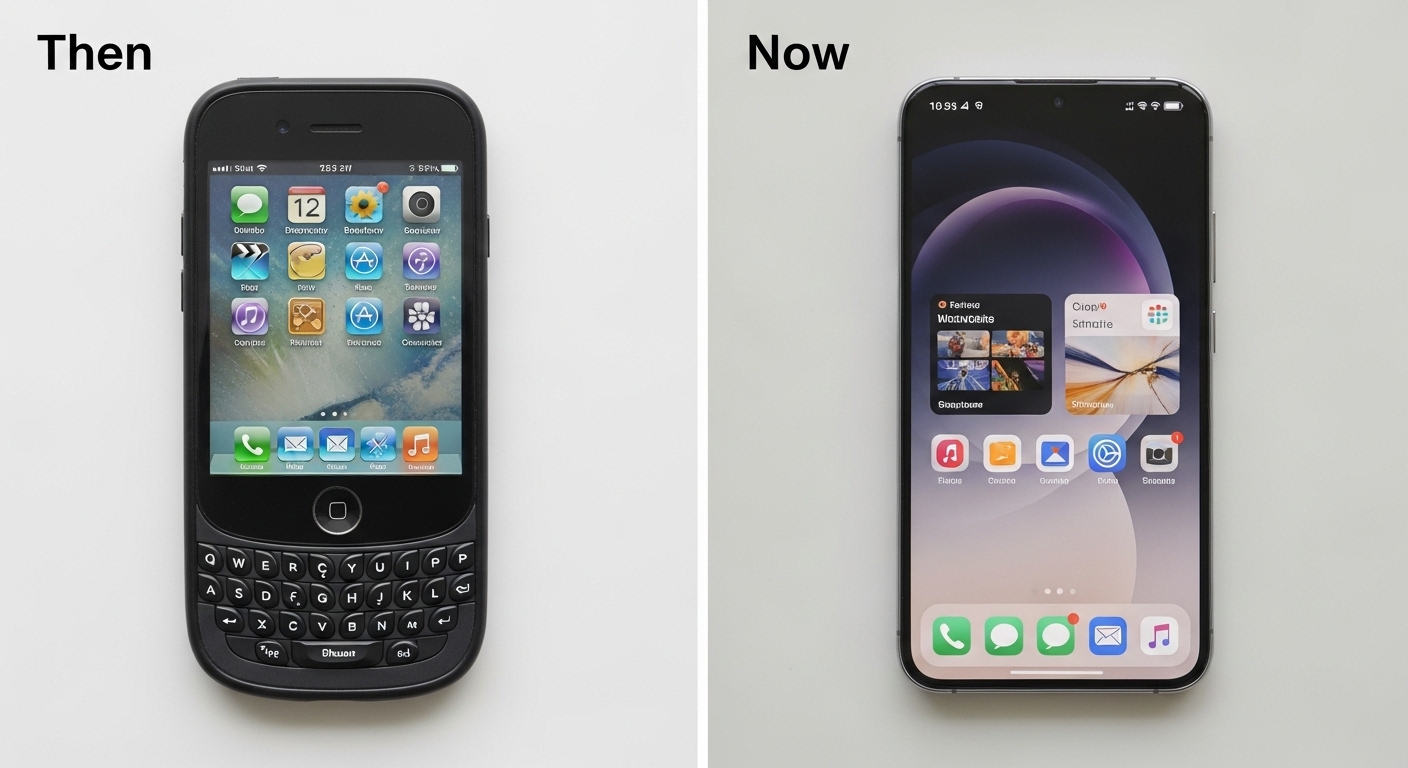
When Apple introduced the first iPhone in 2007, it changed not only the phone industry but the way humans interacted with technology. Suddenly, the internet was in everyone’s pocket. Apps transformed how we work, travel, shop, and socialize. From ordering food to managing finances, smartphones became indispensable companions of modern life.
Social media platforms soon followed, creating digital communities that connected billions. Platforms like Facebook, Twitter, Instagram, and later TikTok gave individuals a global voice. However, they also brought new challenges—privacy concerns, misinformation, and the mental health implications of digital dependency.
Despite these challenges, the smartphone era has become the defining symbol of modern life, bridging the gap between physical and virtual existence.
Artificial Intelligence: The Brain of Modern Technology
If there is one technology that best represents the future, it is artificial intelligence (AI). Once a concept confined to science fiction, AI is now a tangible force driving industries, economies, and innovations.
At its core, AI is about teaching machines to think and learn like humans. It powers recommendation systems, autonomous vehicles, voice assistants, and medical diagnostics. Machine learning algorithms process vast amounts of data, identifying patterns and making predictions faster and more accurately than humans ever could.
AI is already revolutionizing fields such as healthcare, where it helps doctors detect diseases early through imaging analysis. In finance, algorithms make split-second trading decisions. In manufacturing, robots powered by AI improve precision and efficiency. Even creative industries are feeling its influence, as AI tools assist artists, writers, and designers in generating new forms of content.
Yet, with great power comes great responsibility. The rise of AI also sparks ethical debates—about job displacement, data privacy, and the potential for bias in machine learning systems. The challenge is not just to advance AI but to ensure it serves humanity responsibly and equitably.
The Internet of Things: A Connected World
The Internet of Things (IoT) represents the next phase of digital evolution—where everyday objects are connected to the internet, sharing data and responding intelligently.
From smart thermostats that adjust temperature automatically to wearable fitness trackers that monitor health, IoT is embedding technology into our daily routines. Smart homes, cities, and even industries are emerging, powered by sensors and real-time analytics.
In agriculture, IoT devices help farmers monitor soil conditions and optimize irrigation. In healthcare, wearable devices track vital signs and alert doctors to irregularities. The possibilities are endless, but the expansion of connected devices also raises security and privacy concerns. As more data flows through networks, the need for robust cybersecurity has never been greater.
Cloud Computing: The Foundation of the Digital Age
Behind many of today’s technological marvels lies an invisible infrastructure—cloud computing. The cloud allows users and organizations to store, process, and access data remotely instead of relying on local servers or personal devices.
This shift has enabled flexibility, scalability, and cost efficiency for businesses of all sizes. Companies can deploy global applications without maintaining physical infrastructure, while individuals enjoy seamless access to their data from any device.
Cloud computing also fuels innovation in artificial intelligence, data analytics, and software development. It has made collaboration easier, enabling remote work and global teamwork. The COVID-19 pandemic highlighted this transformation, as millions of people transitioned to virtual workspaces supported by cloud-based tools.
The Age of Big Data
In the modern world, data is often called the new oil. Every click, transaction, and interaction generates digital footprints. This vast ocean of information—known as big data—drives decision-making across industries.
Big data analytics allows companies to understand consumer behavior, optimize operations, and predict trends. Governments use data to plan infrastructure and respond to crises. In science, massive datasets accelerate discoveries in genetics, climate research, and astronomy.
However, big data also raises pressing concerns about surveillance and consent. The balance between using data for innovation and protecting individual privacy remains one of the greatest challenges of our time.
Robotics and Automation: Redefining Labor and Industry
Automation is reshaping industries and redefining what it means to work. Robots now assemble cars, manage warehouses, and even perform surgeries with precision.
In manufacturing, automation enhances productivity and reduces errors. In logistics, drones and autonomous vehicles promise faster and more efficient delivery systems. Even service industries are adopting automation through chatbots, self-checkout systems, and AI-driven customer support.
But while automation increases efficiency, it also brings societal implications. The fear of job displacement is real, especially in repetitive or manual labor sectors. The challenge lies in ensuring a balance between technological progress and human opportunity—reskilling workers and reimagining the workforce for the digital era.
The Ethical Dimension of Technology
As technology becomes more powerful, its ethical implications become more complex. Questions arise about how we use, control, and regulate innovation. Should AI make decisions that affect human lives? How much data should companies collect about individuals? What happens when automation replaces human judgment?
Technology ethics is no longer an academic topic; it is a global concern. Governments are grappling with how to regulate digital privacy, cybersecurity, and intellectual property in an interconnected world. Companies are being called upon to ensure transparency, accountability, and fairness in their use of algorithms and data.
Ultimately, the goal should not be to halt progress but to guide it responsibly—to ensure that technology serves humanity, not the other way around.
The Role of Education in the Technological Age
Education plays a pivotal role in adapting to and shaping the technological revolution. As automation and AI transform industries, the demand for digital literacy, critical thinking, and adaptability grows.
Modern education must evolve beyond memorization, focusing instead on problem-solving, creativity, and technological fluency. Coding, data analysis, and digital communication are becoming as essential as reading and writing.
Online learning platforms and virtual classrooms are expanding access to education, breaking geographical and economic barriers. The future of education will likely be hybrid—combining digital tools with human mentorship to nurture the next generation of innovators and thinkers.
Technology and the Environment: A Double-Edged Sword
While technology has driven industrial growth, it has also contributed to environmental challenges such as pollution, electronic waste, and energy consumption. However, the same technology that created these problems also offers solutions.
Renewable energy innovations—like solar panels, wind turbines, and battery storage—are helping reduce dependence on fossil fuels. Smart grids and energy-efficient systems are optimizing power usage. Environmental monitoring through satellites and sensors enables better management of natural resources.
The rise of green technology reflects a growing awareness that innovation must be sustainable. The future depends on harnessing technology not just for economic gain but for the preservation of our planet.
The Future of Technology: Where Do We Go from Here?
The future of technology promises both excitement and uncertainty. Emerging fields like quantum computing, biotechnology, and space exploration will redefine what is possible.
Quantum computing, for instance, could revolutionize problem-solving by processing information at speeds far beyond traditional computers. Biotechnology may cure diseases previously thought incurable, while nanotechnology could reshape medicine, materials, and energy systems.
Space technology is also entering a new era, with private companies exploring missions to Mars and beyond. The dream of a multi-planetary civilization is no longer science fiction—it is a tangible goal.
However, these advancements will bring new ethical, economic, and environmental considerations. The challenge will be ensuring that technology advances in harmony with humanity’s values and needs.
Human Connection in a Digital World
Amid all the progress, one question persists: what does it mean to be human in a technological age? As digital communication replaces physical interaction, the importance of empathy, creativity, and emotional intelligence becomes even greater.
Technology connects us, but it can also isolate us if not used mindfully. Balancing digital convenience with genuine human connection is one of the defining challenges of modern life. The most successful societies of the future will be those that blend technological advancement with compassion, understanding, and purpose.
Conclusion: Building a Future Worth Innovating For
Technology is not just about machines—it is about people. Every breakthrough reflects our collective desire to solve problems, expand knowledge, and improve lives. From the earliest tools to artificial intelligence, technology has been a mirror of human ingenuity.
As we look toward the future, the responsibility lies with all of us—scientists, entrepreneurs, educators, and citizens—to ensure that innovation serves humanity’s best interests. Progress should not come at the expense of ethics, equality, or the environment.
The story of technology is far from over. It continues to evolve, shaped by our choices and our vision. The question is not whether technology will define the future—but how we will define technology’s role in it.