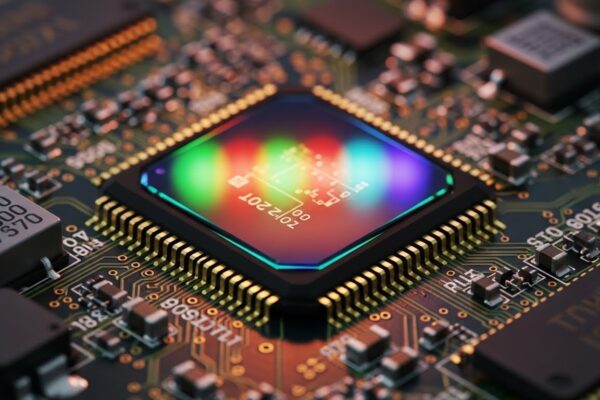
Introduction: Technology as a Transformative Force
Technology is no longer just a tool for convenience—it has become the defining force of the modern era. It influences how we communicate, work, learn, and entertain ourselves. From smartphones to artificial intelligence, technology has transformed the way we interact with the world. Beyond its practical applications, it challenges society to rethink ethics, privacy, and human potential. The pace of technological advancement is unprecedented, and its impact on culture, economy, and daily life is profound.
The Historical Evolution of Technology
Technology has evolved alongside human civilization. Early innovations such as fire, the wheel, and the printing press laid the foundation for progress. The Industrial Revolution mechanized production and reshaped societies. In the 20th century, the advent of computers, the internet, and mobile communication created a new digital landscape. Today, we live in an era dominated by artificial intelligence, robotics, biotechnology, and advanced computing. Each technological milestone has expanded the possibilities of human achievement and redefined how we engage with the world.
The Digital Revolution and Connectivity
The digital revolution has transformed global connectivity. The internet, smartphones, and digital communication tools enable instant access to information and real-time interaction worldwide. Social media platforms, messaging applications, and video conferencing tools have connected individuals across continents, fostering collaboration and community. Businesses, educators, and governments leverage this connectivity for communication, operations, and decision-making. The digital revolution has transformed the world into a connected global village, enabling innovation and knowledge sharing at an unprecedented scale.
Artificial Intelligence and Machine Learning
Artificial intelligence (AI) and machine learning are redefining industries and everyday life. AI can process large amounts of data, identify patterns, and make decisions with minimal human intervention. Machine learning allows AI to improve continuously, adapting to new information and challenges. Applications of AI include virtual assistants, autonomous vehicles, predictive healthcare, and personalized recommendations. These technologies enhance productivity and efficiency, but they also raise questions about privacy, ethics, and the evolving relationship between humans and machines.
Automation and the Future of Work
Automation has revolutionized industries by performing repetitive tasks more efficiently than humans. From manufacturing to logistics, automated systems reduce costs and improve accuracy. While some jobs are displaced, automation also creates new roles in programming, data analysis, and system management. The future workplace will emphasize human-machine collaboration, where humans focus on creativity, problem-solving, and leadership while machines handle routine processes. Adaptation, reskilling, and lifelong learning are essential for thriving in this evolving work environment.
Smart Technology in Everyday Life
Smart technology has become an integral part of daily life. Smartphones, wearables, smart homes, and connected cities collect and analyze data to provide personalized services. Wearables track health metrics and activity levels, while smart home systems optimize energy use, enhance security, and improve convenience. Smart city infrastructure uses technology to manage traffic, energy, and public safety efficiently. This integration of technology improves the quality of life, making our environments more responsive, efficient, and adaptive.
Technology in Education
Education has been transformed by technological advancements. Online learning platforms, virtual classrooms, and interactive software provide access to knowledge for students worldwide. AI-powered learning tools adapt to individual needs, identifying strengths and weaknesses. Collaborative platforms allow students and educators to work together across borders. Technology makes education more inclusive, flexible, and engaging, preparing learners for the demands of the modern digital economy and fostering lifelong learning.
Technology in Healthcare
Healthcare has seen significant transformation due to technology. Telemedicine enables remote consultations, wearable devices monitor health metrics, and electronic health records streamline care. AI assists in diagnosing diseases, analyzing medical images, and predicting treatment outcomes. Robotics enhances surgical precision, and biotechnology supports personalized medicine. These advancements improve access, efficiency, and patient outcomes while also enabling researchers to track global health trends and respond to crises effectively.
Environmental Technology and Sustainability
Technology plays a crucial role in environmental sustainability. Renewable energy solutions such as solar and wind power reduce reliance on fossil fuels. Smart agriculture utilizes data and sensors to optimize crop yields and reduce resource waste. Electric vehicles and sustainable transportation systems lower carbon emissions. Environmental monitoring systems track pollution, biodiversity, and climate change, providing data for informed decision-making. Technology helps balance human progress with ecological responsibility, supporting a sustainable future.
Communication and Information Exchange
Modern communication relies heavily on technology. Instant messaging, video calls, social media, and collaborative platforms allow real-time information exchange worldwide. Businesses use these tools to manage operations, marketing, and customer engagement, while individuals maintain personal connections and access global news instantly. However, the rapid flow of information also introduces challenges such as misinformation, digital fatigue, and privacy concerns. Digital literacy and ethical communication are essential skills in the modern world.
Cybersecurity and Data Privacy
As technology becomes central to daily life, cybersecurity and data privacy are critical concerns. Cyber threats such as hacking, malware, and identity theft pose risks to individuals and organizations. Encryption, secure authentication, and vigilant monitoring help protect sensitive data. Users must also adopt safe practices, including strong passwords and awareness of phishing attempts. Ensuring data privacy and cybersecurity is vital for building trust in digital systems and maintaining stability in an increasingly connected world.
Technology in Entertainment
Technology has transformed entertainment in unprecedented ways. Streaming services, video games, virtual reality, and AI-driven content recommendations provide personalized and immersive experiences. Gaming has become a global industry, combining creativity, technology, and community engagement. Virtual concerts, interactive films, and immersive storytelling allow audiences to participate actively rather than passively consume content. Technology expands creative possibilities and redefines the way we experience art and entertainment.
Ethical Considerations in Technology
Rapid technological advancement brings ethical challenges. AI and automation raise questions about accountability, fairness, and decision-making. Privacy issues, digital addiction, and environmental impacts require careful attention. Developers, policymakers, and users must work collaboratively to ensure technology is used responsibly. Ethical considerations guide innovation, ensuring that technological progress aligns with human values, equity, and social welfare.
The Future of Technology
The future of technology promises even greater transformation. Emerging fields such as quantum computing, augmented reality, blockchain, and biotechnology have the potential to redefine industries and daily life. AI will continue to evolve, influencing decision-making, healthcare, and global communication. The convergence of technologies will create new industries, opportunities, and solutions for complex challenges. Preparing for the future requires adaptability, continuous learning, and a focus on ethical and human-centered innovation.
The Human Perspective
Despite technological advancements, humans remain central to progress. Creativity, empathy, critical thinking, and ethical reasoning are uniquely human traits. Technology is a tool to amplify human potential, not replace it. By balancing innovation with human values, society can harness technology to improve quality of life, solve complex problems, and foster global collaboration. Responsible use of technology ensures it serves humanity while maintaining ethical and social standards.
Conclusion: Embracing Technology Responsibly
Technology is a powerful force shaping the modern world and the future. It enhances communication, education, healthcare, and entertainment while opening new possibilities for innovation and progress. However, its rapid advancement requires ethical oversight, cybersecurity awareness, and human-centered design. By embracing technology responsibly, society can fully harness its potential, creating a smarter, safer, and more connected world. The journey through technological evolution continues, and how we navigate it will define the human experience for generations to come.