Introduction
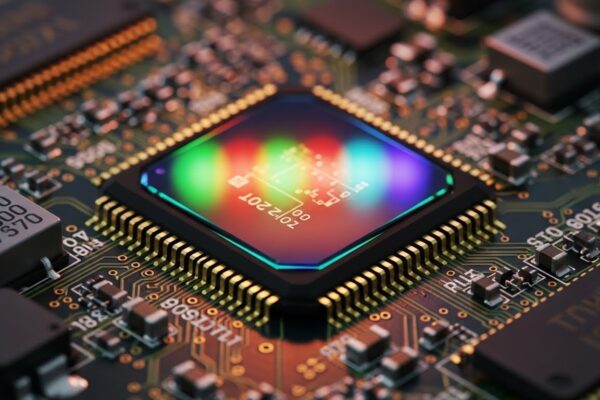
Technology is the engine that drives the modern world. It influences how we communicate, work, learn, and live. From the simplest gadgets to the most advanced machines, technology continues to shape every aspect of human life. What once seemed impossible has now become part of our everyday reality, proving that innovation has no limits.
The Evolution of Technology
The growth of technology is a story of human creativity and progress. Early inventions such as the wheel, printing press, and electricity changed the course of history. As centuries passed, these small steps led to groundbreaking innovations like computers, mobile phones, and the internet. Each invention built the foundation for the next, leading humanity into the digital era we live in today.
Technology in Daily Life
Technology touches every corner of modern existence. Smartphones keep us connected no matter where we are. Smart homes adjust lighting and temperature automatically for comfort. Online education allows students to learn from anywhere in the world. In healthcare, modern machines and artificial intelligence help doctors diagnose diseases with accuracy and speed. Technology has made life faster, easier, and more efficient than ever before.
The Power of Innovation
At the heart of technological advancement lies innovation. It is the driving force that pushes boundaries and opens new possibilities. Artificial intelligence allows computers to think and learn like humans. Robotics performs complex tasks that once required manual effort. Renewable energy technologies are helping to protect the planet for future generations. Innovation ensures that technology continues to evolve, solving problems and improving lives.
Social Impact of Technology
Technology not only changes industries but also connects people. It has turned the world into a global village where communication happens instantly across continents. Social media, digital art, and virtual platforms have given everyone a voice. However, this digital connection also brings responsibility. As we grow closer online, we must learn to use technology wisely, respecting privacy, truth, and balance in the digital space.
Challenges in the Digital Age
Despite its benefits, technology comes with challenges. Issues like data security, cybercrime, and misinformation are growing concerns. Automation may replace certain jobs, requiring workers to adapt to new skills. The constant use of digital devices can also affect health and social interactions. To ensure progress benefits everyone, society must find ways to balance innovation with ethics and responsibility.
The Future of Technology
The future of technology is filled with exciting possibilities. Artificial intelligence will continue to improve, making systems smarter and more efficient. Quantum computing could solve problems that are beyond today’s capabilities. Space technology and renewable energy will play key roles in shaping a sustainable world. The next generation of innovation will blur the line between imagination and reality.
Conclusion
Technology is more than just machines and software—it is the essence of human advancement. It reflects creativity, intelligence, and the desire to make life better. As the world continues to evolve, technology will remain at the center of progress. The challenge lies in using it responsibly, ensuring that innovation serves humanity and creates a brighter, smarter, and more sustainable future for all.