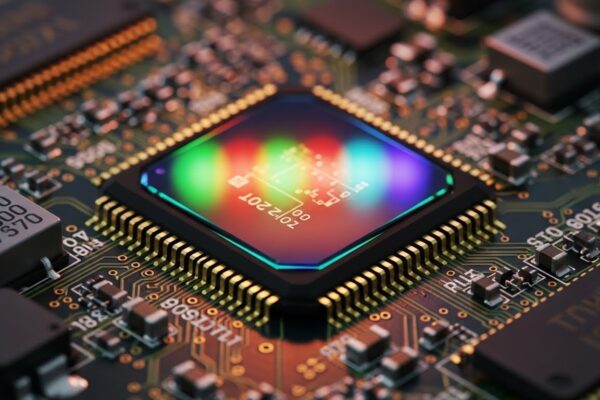
Technology has become an inseparable part of modern life. From smartphones to artificial intelligence, it influences the way we communicate, work, learn, and even think. In the past few decades, technological advancements have accelerated at an unprecedented pace, transforming industries, economies, and societies. This blog explores the evolution of technology, its impact on various sectors, the opportunities it creates, the challenges it poses, and the future possibilities that lie ahead.
The Evolution of Technology
The journey of technology began with simple tools and machines that made human labor easier. The invention of the wheel, the printing press, and the steam engine revolutionized society in their respective eras. In the 20th century, electricity, the telephone, and the computer transformed communication, industry, and daily life. The late 20th and early 21st centuries ushered in the digital revolution, marked by the rise of the internet, mobile technology, and digital computing. These advancements have connected the world like never before, allowing people to communicate, access information, and perform tasks with unprecedented speed and efficiency.
The Impact of Technology on Communication
One of the most significant areas where technology has transformed society is communication. Social media platforms, messaging apps, and video conferencing tools have revolutionized how people connect and share information. Distance is no longer a barrier; families, friends, and businesses can communicate in real-time across continents. Technology has also enabled new forms of collaboration, allowing teams to work together remotely on complex projects. While these tools have increased connectivity, they have also introduced challenges, such as information overload, privacy concerns, and the spread of misinformation.
Technology in Education
Education has been profoundly affected by technological advancements. Digital tools, online learning platforms, and virtual classrooms have made education more accessible and flexible. Students can now learn from anywhere in the world, access a wealth of resources, and engage in interactive and personalized learning experiences. Artificial intelligence and data analytics are being used to tailor education to individual student needs, improving outcomes and engagement. Technology also prepares students for the digital economy by teaching coding, data analysis, and digital literacy. However, the digital divide remains a concern, as not all students have equal access to devices or high-speed internet.
Technology in Healthcare
The healthcare industry has benefited tremendously from technology. Medical imaging, telemedicine, electronic health records, and wearable devices have improved diagnosis, treatment, and patient monitoring. Artificial intelligence is being used to analyze medical data, detect diseases early, and develop personalized treatment plans. Robotics and automation have enhanced surgical precision, while biotechnology innovations are helping combat previously incurable diseases. Technology has also improved healthcare accessibility, allowing patients in remote areas to receive medical consultations and care. Despite these advances, ethical considerations and data privacy remain critical issues that must be addressed.
Technology in Business and the Economy
Technology has reshaped the global economy and business landscape. Automation, artificial intelligence, and big data analytics enable companies to operate more efficiently, make better decisions, and offer personalized products and services. E-commerce platforms allow businesses to reach customers worldwide, transforming retail and logistics. Fintech innovations have changed how people manage money, invest, and access banking services. Technology-driven entrepreneurship has created new industries and job opportunities, but it has also disrupted traditional industries and led to concerns about job displacement. Businesses must adapt to remain competitive in a rapidly changing technological landscape.
Technology and Transportation
Transportation is another sector that has seen major technological advancements. Electric vehicles, autonomous driving technology, and smart traffic systems are transforming how people and goods move. Ride-sharing apps, navigation systems, and real-time tracking have improved convenience and efficiency in urban mobility. Hyperloop concepts and drone delivery systems represent the next frontier of transportation, promising faster and more sustainable solutions. While these innovations have the potential to reduce emissions and improve safety, they also raise questions about regulation, infrastructure readiness, and societal adaptation.
Technology and Entertainment
The entertainment industry has been revolutionized by digital technology. Streaming platforms, virtual reality, augmented reality, and gaming technology have transformed how people consume content. Audiences now have access to vast libraries of movies, music, games, and interactive experiences on demand. Artificial intelligence is being used to create personalized recommendations, improve content quality, and even generate new creative works. The rise of e-sports and virtual concerts illustrates how technology is redefining entertainment and blurring the line between creators and consumers.
Challenges of Rapid Technological Advancement
Despite its benefits, rapid technological advancement comes with challenges. Privacy and data security are significant concerns as more personal information is collected, stored, and analyzed. Cybersecurity threats, including hacking and ransomware attacks, pose risks to individuals, businesses, and governments. Ethical considerations, particularly in artificial intelligence, biotechnology, and autonomous systems, are increasingly important. Additionally, rapid automation and AI integration can lead to job displacement, widening economic inequality. Societies must develop policies, regulations, and education systems to address these challenges responsibly.
Technology and Sustainability
Technology also plays a crucial role in addressing environmental challenges. Renewable energy technologies, such as solar, wind, and hydroelectric power, are reducing dependence on fossil fuels. Smart grids, energy-efficient devices, and sustainable manufacturing practices help minimize environmental impact. Data analytics and AI are being used to monitor climate change, optimize resource usage, and develop sustainable solutions. Innovations in agriculture, such as precision farming and vertical farming, are improving food security while reducing environmental impact. Technology provides the tools for a more sustainable future, but responsible implementation is essential to ensure lasting benefits.
The Future of Technology
The future of technology promises even greater transformation. Artificial intelligence, quantum computing, and biotechnology are set to redefine the limits of human capability. The Internet of Things will create interconnected systems that make everyday life more efficient and convenient. Virtual and augmented reality will offer immersive experiences in work, education, and entertainment. Space exploration and advanced robotics may unlock opportunities previously confined to science fiction. As technology continues to evolve, it will create new possibilities, industries, and societal structures, but it will also require careful management to ensure ethical, inclusive, and sustainable outcomes.
Conclusion: Embracing Technology Responsibly
Technology is one of the most powerful forces shaping the modern world. It has transformed communication, education, healthcare, business, transportation, and entertainment, creating opportunities that were unimaginable just a few decades ago. At the same time, it presents challenges, including privacy concerns, ethical dilemmas, and economic disruptions. Embracing technology responsibly means balancing innovation with ethics, accessibility, and sustainability. By leveraging technology wisely, society can unlock its full potential, improve quality of life, and build a future that benefits everyone.
Technology is not just a tool; it is a driving force that shapes how we live, work, and interact with the world. Its impact is profound and far-reaching, and its evolution will continue to redefine human experience for generations to come.