Introduction: A New Era of Human Progress
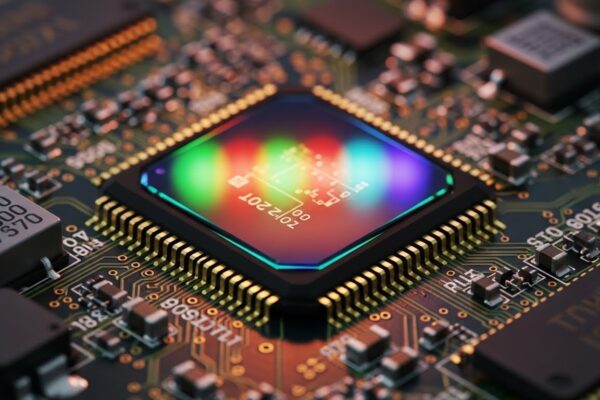
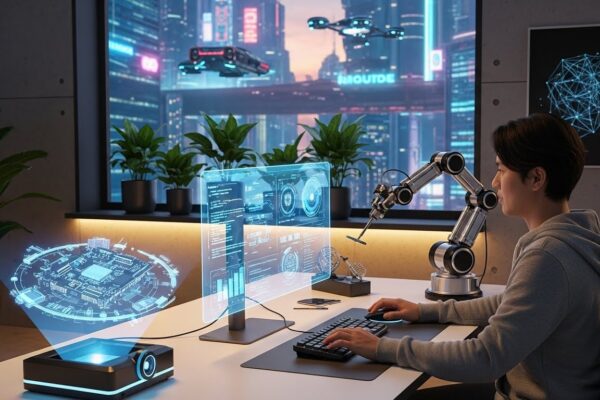
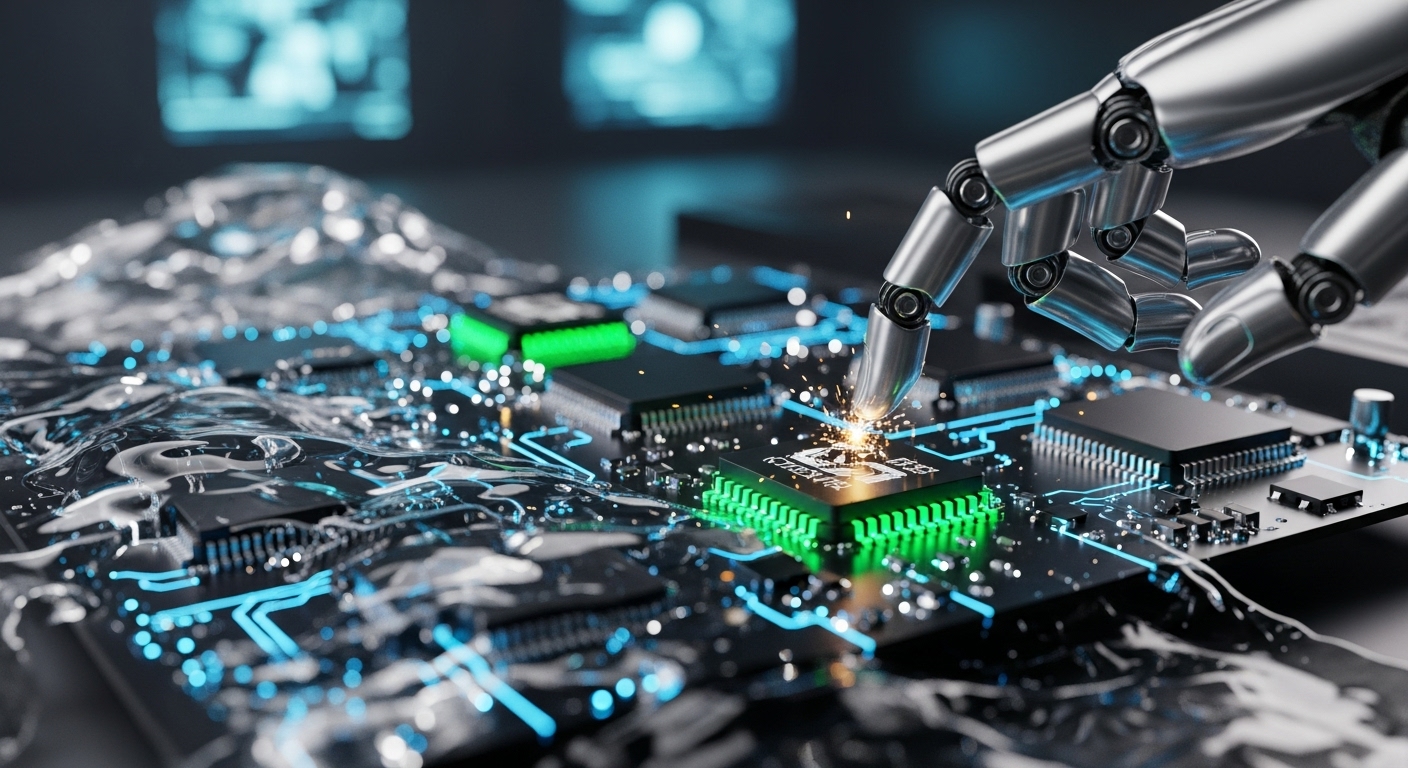
The twenty-first century is defined by technology. Every day, we interact with digital devices, smart systems, and artificial intelligence without even realizing how deeply they have integrated into our lives. Technology has not only changed the way we work, communicate, and entertain ourselves but also how we think, learn, and connect with the world around us. From the invention of electricity to the rise of automation, human civilization has always advanced through innovation. However, the pace of progress we are witnessing today is unlike anything before. This silent revolution is reshaping societies, industries, and even our understanding of what it means to be human.
The Evolution of Technology: From Invention to Integration
Technology began as a simple response to human needs. The earliest inventions, like tools and wheels, were designed to make life easier and survival more secure. Over the centuries, discoveries in science and engineering fueled innovation. The industrial revolution introduced machines that multiplied human productivity. The 20th century saw the invention of computers, followed by the internet, which connected the entire world. Today, we live in an age where technology is not separate from daily life—it is deeply woven into its fabric. Smartphones, wearable devices, and digital assistants are now extensions of human capability, showing how technology has evolved from invention to integration.
The Rise of Artificial Intelligence
Artificial intelligence, or AI, is one of the most transformative developments in modern technology. It allows machines to learn, adapt, and make decisions, often faster and more accurately than humans. AI is present in our daily routines, from virtual assistants that understand our commands to algorithms that recommend what we watch or buy. In industries, AI is revolutionizing automation, manufacturing, and data analysis. It helps doctors detect diseases earlier, assists financial analysts in predicting market trends, and even supports artists in creating music and designs. However, as AI becomes more capable, ethical questions arise—should machines have decision-making power over human life? Balancing innovation and responsibility is the key challenge of the AI age.
The Power of Data in the Digital Age
In today’s world, data is the new form of currency. Every click, purchase, or message generates data that helps businesses and governments understand human behavior. Big data analytics has become an essential part of decision-making in every field. Companies use it to improve services, while researchers use it to predict future trends. However, this data-driven world also raises concerns about privacy. The question of who owns and controls data is central to the digital debate. Ensuring that data is used ethically, securely, and transparently is critical to maintaining trust in technology.
The Internet of Things: A Connected World
The Internet of Things, or IoT, refers to the network of devices that communicate and exchange information through the internet. From smart homes to connected cars, IoT has made technology more personal and interactive. Imagine waking up to an alarm that automatically starts your coffee machine and adjusts the temperature of your home. In industries, IoT improves production efficiency and safety by connecting machines that monitor and respond to real-time data. In healthcare, wearable devices track vital signs, alerting doctors before emergencies occur. The connected world is becoming more intelligent, but it also requires strong cybersecurity measures to protect personal information and prevent misuse.
5G and the Speed of the Future
The introduction of 5G technology has marked a new phase in digital communication. With its lightning-fast speeds and low latency, 5G has the potential to transform entire industries. It enables real-time data exchange, allowing for advancements in autonomous vehicles, remote surgeries, and virtual experiences. For consumers, it means smoother streaming, faster downloads, and more reliable connectivity. In cities, 5G supports smart infrastructure that can manage traffic, energy, and safety more efficiently. This technology is not just about faster internet; it’s about creating a more connected and responsive world that can keep up with human needs and innovation.
Cloud Computing: Redefining Storage and Access
Cloud computing has revolutionized the way we store and manage information. Instead of relying on physical hardware, data and applications are now stored on virtual servers accessible from anywhere. This innovation allows businesses to scale efficiently, collaborate globally, and save costs. For individuals, it provides seamless access to files and services across devices. Cloud technology also supports emerging trends like artificial intelligence and big data analytics. However, as reliance on the cloud grows, ensuring data security, compliance, and reliability has become a top priority for organizations worldwide.
Technology in Education: The Digital Classroom
The field of education has undergone one of the most profound transformations through technology. The traditional classroom has expanded into a digital world where learning is no longer confined to physical spaces. Online education platforms, interactive applications, and virtual classrooms have made learning more accessible to people around the globe. Students can now learn new skills, access global knowledge, and collaborate with peers across continents. Artificial intelligence in education personalizes learning paths, ensuring that each student can progress at their own pace. While digital education promotes inclusivity, it also highlights the need for bridging the digital divide so that every learner, regardless of background, can benefit from technological progress.
Healthcare Innovations: Technology Saving Lives
The healthcare industry has been transformed by technology. From digital health records to robotic surgeries, innovation has improved both the quality and accessibility of medical care. Telemedicine allows patients to consult doctors from their homes, a major breakthrough during times when physical access is limited. Artificial intelligence assists in diagnosing diseases by analyzing vast amounts of medical data. Wearable devices monitor heart rates, sleep patterns, and fitness levels, encouraging healthier lifestyles. In research, biotechnology and nanotechnology are developing personalized medicines and advanced treatments. Technology in healthcare is not just saving lives—it is enhancing the overall quality of life across the world.
Sustainable Technology and the Green Revolution
As humanity faces the challenges of climate change and resource depletion, technology is offering sustainable solutions. Renewable energy innovations like solar panels, wind turbines, and electric vehicles are reducing dependence on fossil fuels. Smart grids and energy-efficient systems are optimizing consumption and minimizing waste. In agriculture, precision farming technologies use sensors and drones to monitor crops and improve yield. Recycling innovations are turning waste into resources, promoting a circular economy. Sustainable technology is the foundation of a greener future, demonstrating that innovation and environmental responsibility can go hand in hand.
Cybersecurity: Safeguarding the Digital Frontier
With great technological power comes great responsibility. As the digital world expands, so do the risks of cyberattacks and data breaches. Cybersecurity has become one of the most crucial aspects of modern life. From individuals protecting personal information to corporations securing global networks, everyone plays a role in maintaining digital safety. Encryption, authentication systems, and advanced firewalls are constantly evolving to counter new threats. Artificial intelligence now helps detect and neutralize attacks before they cause harm. Education about online safety is equally important, ensuring that users are aware of risks like phishing and identity theft. A secure digital world is essential for technological progress to continue without fear.
Technology in Entertainment: Redefining Creativity
The entertainment industry has been revolutionized by technology in unimaginable ways. From streaming platforms to virtual concerts, the way we consume content has transformed completely. Film production now uses advanced visual effects and computer-generated imagery that make fiction come alive. Musicians use digital tools to compose, mix, and share their art instantly. Gaming has become a global phenomenon, merging creativity with cutting-edge technology like virtual and augmented reality. Artificial intelligence even assists in scriptwriting, music recommendation, and animation. Technology has given creators unlimited possibilities, making entertainment more immersive, interactive, and personal than ever before.
The Future of Work in a Tech-Driven World
Technology is reshaping the global workforce. Automation, robotics, and artificial intelligence are taking over repetitive tasks, allowing humans to focus on creativity and innovation. Remote work, powered by digital collaboration tools, has become a new norm. The rise of the gig economy has created flexible opportunities for millions of people. However, this shift also brings challenges, such as the need for reskilling and the threat of job displacement. The future of work will depend on how well societies adapt through education and policy. Collaboration between humans and technology will define productivity in the years ahead.
Ethical Technology: Balancing Innovation and Humanity
While technology has unlocked countless benefits, it also raises serious ethical questions. Issues such as digital privacy, data ownership, artificial intelligence bias, and surveillance must be addressed carefully. Innovation should not come at the cost of human values. Responsible technology design requires transparency, fairness, and inclusivity. Developers, governments, and users must work together to ensure that technology serves humanity, not the other way around. Ethical innovation is the key to a sustainable and just digital future.
The Road Ahead: Imagining Tomorrow’s World
The future of technology holds infinite possibilities. Quantum computing could solve problems currently beyond human comprehension. Artificial intelligence might become more self-aware, opening new frontiers in science and creativity. Biotechnology may extend human lifespans and cure diseases once thought incurable. Space technology could make interplanetary travel a reality, while virtual and augmented reality may blend digital experiences seamlessly with real life. The only constant in this journey is change. As technology evolves, so must our understanding of its role in society. The challenge will be to guide this progress responsibly, ensuring that it enhances rather than dominates human life.
Conclusion: The Human Spirit Behind the Machine
Technology is a reflection of human ambition, creativity, and intelligence. It has the power to build, heal, and connect—but also to divide, harm, or overwhelm. The true value of technology lies not in its complexity but in how it serves humanity. As we move deeper into the digital age, it is vital to remember that machines may enhance our abilities, but they cannot replace our empathy, imagination, and ethics. The silent revolution continues, and the choices we make today will define how technology shapes the future. In the end, the greatest innovation will not be the machine itself but the wisdom with which we use it.