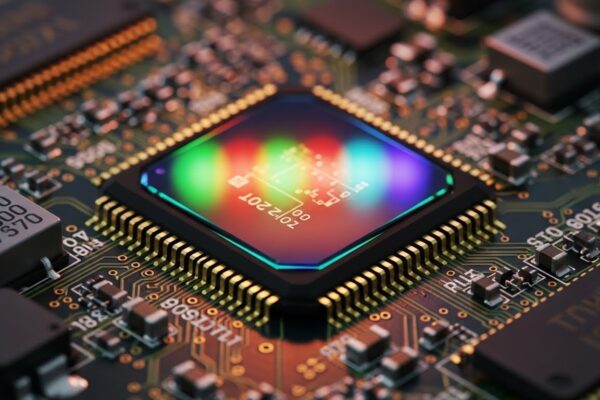
Technology has become the defining factor of the modern era, influencing the way we live, work, and interact. Each innovation not only transforms industries but also reshapes society itself. From artificial intelligence to renewable energy, quantum computing to biotechnology, the rapid evolution of technology promises both unprecedented opportunities and challenges. This blog explores the key technological advancements shaping our future and examines their implications for individuals, businesses, and society at large.
Artificial Intelligence: Redefining Human Potential
Artificial Intelligence, or AI, has evolved from simple automation to advanced systems capable of learning, reasoning, and decision-making. AI technologies are now integrated into industries such as healthcare, finance, manufacturing, and education. In healthcare, AI can analyze vast amounts of medical data to detect conditions like cancer or neurological disorders at earlier stages than traditional methods. In finance, AI predicts market trends, detects fraudulent activities, and provides optimized investment strategies.
On a personal level, AI powers virtual assistants, recommendation engines, and smart home devices that simplify daily life. The next frontier of AI focuses on intelligence amplification, where machines collaborate with humans to enhance creativity, solve complex problems, and optimize decision-making. This approach moves AI beyond mere replacement of human labor toward a true partnership with human intelligence.
Quantum Computing: Unlocking New Realms of Possibility
Quantum computing represents a monumental leap in processing power. Unlike classical computers, which use bits representing zero or one, quantum computers use qubits that exist in multiple states simultaneously. This property, called superposition, allows quantum computers to perform complex calculations far faster than traditional systems.
Applications of quantum computing are vast. In medicine, it can simulate molecular interactions to accelerate drug discovery. In logistics, quantum algorithms optimize supply chains for efficiency and cost reduction. Cryptography also benefits from quantum computing, which has the potential to create virtually unbreakable encryption methods. Though large-scale quantum computers are still in development, their promise to solve previously unsolvable problems could redefine the limits of technology.
Renewable Energy: Building a Sustainable Future
The need for clean and sustainable energy is more pressing than ever. Renewable energy technologies, including solar, wind, hydroelectric power, and advanced battery systems, are rapidly evolving to meet global demand while reducing environmental impact. Modern solar panels capture more energy, wind turbines are efficient even in low-wind conditions, and battery technologies like lithium-ion and solid-state storage enable energy to be stored for later use.
Smart grids enhance efficiency by dynamically balancing energy supply and demand, reducing waste and ensuring consistent electricity delivery. These innovations are essential for combating climate change and creating resilient energy systems that are sustainable, accessible, and capable of supporting the world’s growing energy needs.
Internet of Things: Connecting the World
The Internet of Things, or IoT, is transforming the way we interact with technology by creating connected ecosystems. IoT devices, ranging from smart home appliances to industrial sensors, collect and exchange data to optimize performance and enhance user experience.
In homes, IoT improves convenience, energy efficiency, and security. In industries, IoT monitors equipment performance, predicts maintenance needs, and streamlines production processes, minimizing downtime and costs. Smart cities are leveraging IoT for traffic management, waste collection, and energy optimization, improving quality of life for residents. As IoT adoption grows, it is creating an intelligent, responsive environment that adapts to human needs in real time.
Biotechnology: Transforming Life and Medicine
Biotechnology is revolutionizing healthcare, agriculture, and environmental management. Advances in genetic engineering, synthetic biology, and bioinformatics enable breakthroughs that were once considered impossible.
CRISPR gene-editing technology allows precise modifications to DNA, offering potential cures for genetic disorders and creating crops that are resilient to pests and climate change. Personalized medicine leverages genetic information to tailor treatments to individual patients, improving effectiveness and reducing side effects. In agriculture, biotechnology enhances crop yields, reduces reliance on chemicals, and supports sustainable farming practices. Lab-grown meat, biofuels, and biodegradable materials also demonstrate the potential of biotechnology to address global sustainability challenges.
Augmented Reality and Virtual Reality: Changing How We Experience the World
Augmented Reality (AR) and Virtual Reality (VR) are redefining human interaction with digital information. AR overlays digital elements on the real world, while VR immerses users in fully virtual environments.
In education, AR and VR enable interactive and immersive learning experiences, allowing students to explore complex concepts in ways that traditional methods cannot achieve. In healthcare, VR simulations allow surgeons to practice procedures safely, while AR provides guidance during live surgeries. Entertainment industries use AR and VR for gaming, virtual concerts, and immersive storytelling. These technologies are gradually blurring the lines between physical and digital realities, transforming work, learning, and recreation.
Cybersecurity: Protecting a Connected World
As our lives become increasingly digital, cybersecurity has emerged as a critical concern. The rise of connected devices, cloud computing, and online services has increased the volume of sensitive data stored digitally, making robust security essential.
Modern cybersecurity strategies use AI-powered threat detection, encryption, and behavioral analytics to protect systems and networks. Education and awareness are equally important, as human error is a leading cause of security breaches. Strong cybersecurity practices are essential to maintain trust in digital systems, enabling safe communication, commerce, and innovation in a connected world.
Robotics and Automation: Shaping Industry and Daily Life
Robotics and automation are transforming workplaces and everyday experiences. Industrial robots perform repetitive, hazardous, or precise tasks, improving productivity and reducing human error. Autonomous vehicles, including drones and self-driving cars, are revolutionizing transportation, logistics, and delivery systems. In healthcare, robotic systems assist with surgeries, rehabilitation, and patient care, enhancing outcomes and efficiency.
Integration of AI and IoT with robotics creates intelligent systems capable of adapting to complex environments and collaborating with humans. This synergy is redefining efficiency and productivity across multiple sectors, from manufacturing to healthcare to logistics.
Edge Computing: Accelerating Digital Efficiency
Edge computing processes data closer to the source rather than relying entirely on centralized cloud servers. This reduces latency, enhances real-time decision-making, and improves reliability. Edge computing is essential for autonomous vehicles, smart cities, and industrial IoT applications, where rapid responses are crucial. By complementing cloud computing, edge computing provides faster, more efficient, and localized processing that enhances performance in technology-driven environments.
Ethical Considerations in Technology
While technological advancements bring numerous benefits, they also raise ethical and social challenges. Data privacy, algorithmic bias, environmental impact, and workforce displacement are pressing concerns. Technology should be developed with transparency, accountability, and inclusivity in mind to ensure it serves humanity responsibly.
Public engagement and education play critical roles in shaping ethical frameworks. By fostering awareness and dialogue, society can guide innovation in ways that maximize benefits while minimizing harm, ensuring technology contributes positively to social and environmental outcomes.
Preparing for a Technology-Driven Future
Adapting to a rapidly evolving technological landscape requires proactive preparation. Education systems must prioritize digital literacy, critical thinking, and STEM skills. Lifelong learning and reskilling programs are essential as automation and AI reshape traditional job markets. Collaboration among governments, industries, and research institutions is vital for ethical innovation, infrastructure development, and equitable access to technology.
Inclusive policies ensure that technological progress benefits all individuals, creating opportunities rather than exacerbating disparities. Preparing for a technology-driven future is not just about adopting new tools—it requires cultivating the skills, mindset, and ethical awareness necessary to thrive in a digital world.
Conclusion
The technological revolution is reshaping every aspect of society. Artificial intelligence, quantum computing, renewable energy, IoT, biotechnology, AR and VR, robotics, cybersecurity, and edge computing are not just innovations—they are catalysts for a smarter, more connected, and more sustainable world.
These technologies provide solutions to pressing global challenges, enhance human capability, and create new opportunities for growth and development. Yet, with great innovation comes responsibility. Ethical considerations, cybersecurity, inclusivity, and public awareness must guide technological progress.
By embracing innovation responsibly and preparing proactively, society can harness technology to create a future that is equitable, sustainable, and transformative. The digital frontier is here, and how we navigate it will define the world for generations to come.