Introduction
Technology has become the lifeblood of modern civilization, influencing every aspect of human existence from communication and education to healthcare and entertainment. It has evolved from simple tools designed for convenience into intelligent systems capable of thinking, learning, and making decisions. We live in an age where machines can predict diseases, cars can drive themselves, and digital assistants can understand human emotions. This era of innovation is not just about faster devices or smarter gadgets; it is about transforming how humanity interacts with the world. The journey of technology is an endless pursuit of excellence and progress, and its impact is more profound than ever before.
The Age of Artificial Intelligence
Artificial Intelligence, or AI, is one of the most revolutionary technologies shaping our world. It has redefined how we perceive machines by giving them the ability to learn from data and make decisions without explicit human instructions. AI powers the recommendation systems that suggest what to watch, the chatbots that provide instant customer service, and even the algorithms that analyze medical scans to detect early signs of disease.
What makes AI so transformative is its adaptability. Machine learning, a subset of AI, allows computers to improve their performance through experience. Deep learning, another branch, uses neural networks inspired by the human brain to solve complex problems. From finance to education, AI has made processes more efficient and outcomes more accurate. However, it also raises important questions about ethics, privacy, and employment. As machines become more capable, the need for human oversight and accountability becomes even more critical. The challenge of the future will be finding the balance between technological advancement and social responsibility.
The Evolution of Communication Technology
Communication has always been at the core of technological evolution. From the invention of the printing press to the rise of smartphones, each innovation has brought people closer together. Today, communication technology goes beyond text and voice; it has entered the realm of virtual and augmented reality. Video calls that once seemed futuristic are now a daily norm, and immersive experiences allow users to attend meetings, concerts, or classrooms from anywhere in the world.
The speed and reach of communication have increased exponentially with the development of high-speed internet and mobile networks. The arrival of 5G technology has taken connectivity to new heights, enabling ultra-fast data transfer and seamless interaction between devices. This has paved the way for innovations like smart cities and autonomous vehicles, where real-time communication is essential. As technology continues to evolve, the future of communication will likely merge physical and digital experiences into one interconnected reality.
The Internet of Things: A World of Smart Connections
The Internet of Things, commonly known as IoT, has turned ordinary objects into intelligent, interconnected devices. It links everything from household appliances and industrial machines to healthcare systems through sensors and data networks. This interconnectedness allows devices to communicate, analyze information, and act independently.
Smart homes are a prime example of IoT in action. Lights adjust automatically based on occupancy, thermostats regulate temperature according to user preferences, and security systems monitor every corner of the property. In healthcare, IoT devices such as wearable monitors track heart rate, blood pressure, and physical activity, providing real-time data to doctors. On a larger scale, smart cities use IoT technology to optimize energy consumption, manage traffic flow, and improve waste management.
However, the expansion of IoT also introduces security concerns. Each connected device represents a potential entry point for cyberattacks. Therefore, ensuring data protection and user privacy remains a major priority in the IoT ecosystem. Despite these challenges, IoT continues to grow, promising a future where technology anticipates human needs before they are even expressed.
The Rise of Quantum Computing
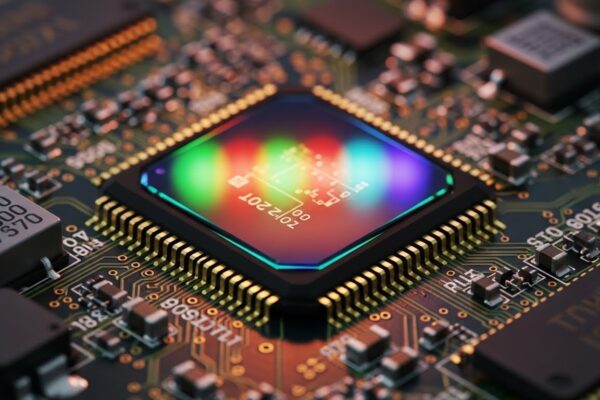
Quantum computing is not just an improvement over traditional computing; it represents a complete transformation. Unlike classical computers that use bits to process information in binary form, quantum computers use qubits, which can represent both 0 and 1 simultaneously. This phenomenon, known as superposition, allows quantum computers to process vast amounts of data at unprecedented speeds.
Quantum computing has immense potential in solving problems that are currently impossible for conventional systems. It can revolutionize drug discovery by simulating molecular interactions, optimize global logistics networks, and enhance cryptography to safeguard digital data. Though quantum technology is still in its developmental phase, major breakthroughs are being made in stabilizing qubits and reducing computational errors. Once fully realized, quantum computing will open a new dimension of innovation and problem-solving beyond anything previously imaginable.
The Role of Robotics in Modern Life
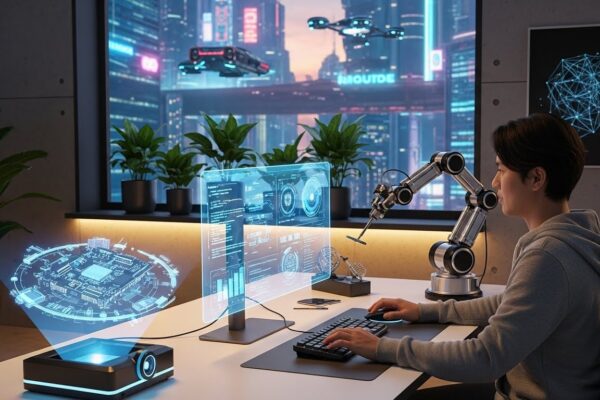
Robotics is another transformative area of technology that is reshaping industries and daily life. Robots are no longer confined to factory floors; they are now in hospitals, homes, and even outer space. In healthcare, robotic surgeons perform complex operations with greater precision and minimal invasiveness. In logistics, autonomous robots sort, pack, and deliver goods efficiently. Even in agriculture, robots monitor crop health and assist in harvesting.
Human-like robots equipped with AI are also entering customer service and education sectors, providing personalized experiences. The integration of robotics with machine learning allows them to adapt to new environments and perform tasks that were once thought to require human intelligence. As robotics technology advances, the distinction between man and machine continues to blur, raising philosophical questions about consciousness, empathy, and what it truly means to be human.
Virtual Reality and the New Digital Experience
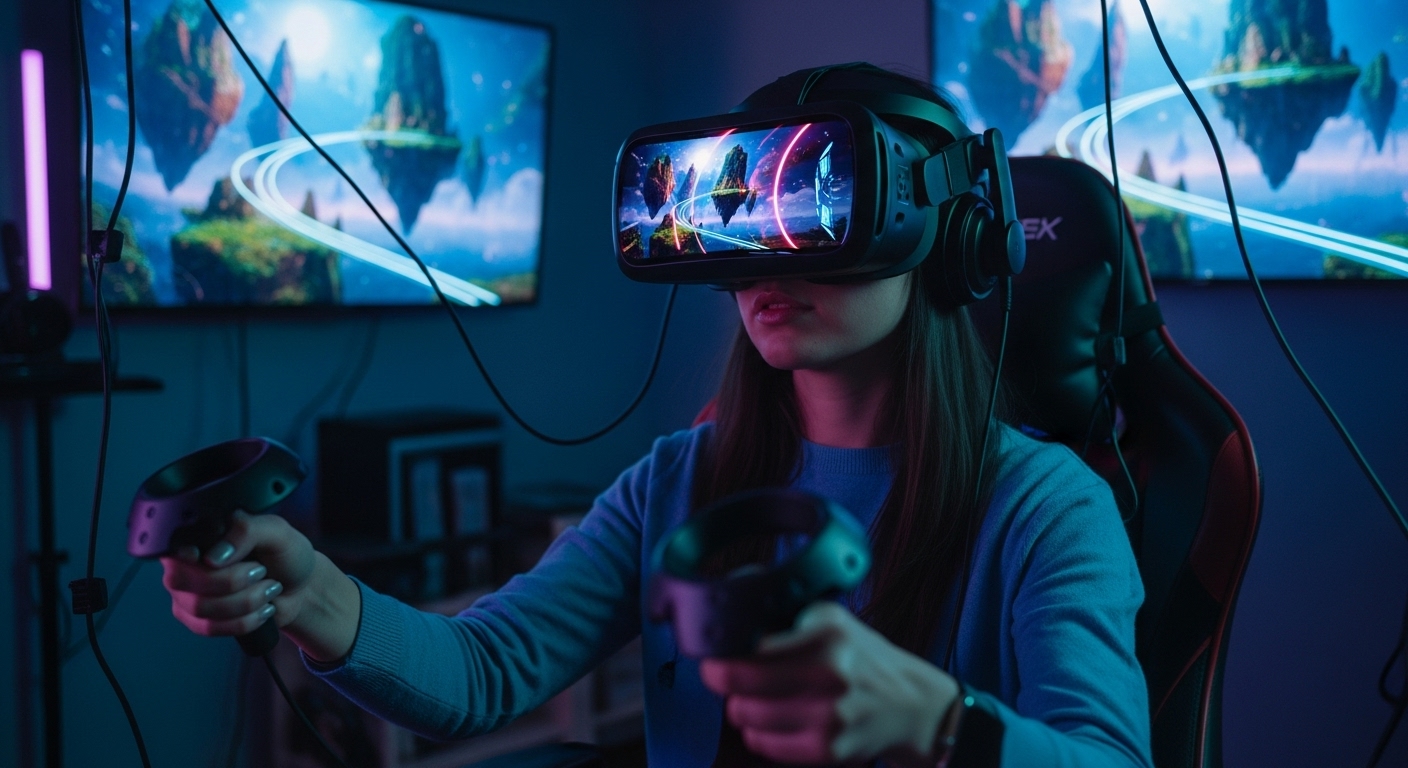
Virtual Reality (VR) and Augmented Reality (AR) have revolutionized the way people experience digital content. VR immerses users in entirely virtual environments, while AR overlays digital elements onto the real world. These technologies are transforming industries ranging from gaming and education to real estate and healthcare.
In education, VR allows students to explore historical events, scientific concepts, and global landmarks without leaving the classroom. In healthcare, surgeons use AR to visualize patient anatomy during procedures. Businesses are leveraging VR and AR to create interactive shopping experiences, virtual showrooms, and training simulations. As hardware becomes more affordable and content more sophisticated, these immersive technologies will redefine entertainment, learning, and human interaction.
The Era of Sustainable Technology
As the world faces environmental challenges, sustainable technology has become a crucial area of innovation. Green technologies focus on reducing carbon emissions, conserving resources, and promoting renewable energy. Solar and wind power are rapidly replacing fossil fuels, while advancements in battery technology are making electric vehicles more efficient and affordable.
Artificial intelligence and IoT are being used to monitor and optimize energy usage in homes, factories, and cities. Smart grids ensure efficient distribution of electricity, while digital sensors help track pollution and climate patterns. The future of technology is not only about advancement but also about responsibility. Sustainable innovation ensures that progress does not come at the cost of the planet’s well-being.
Cybersecurity in the Digital Age
With the rise of digitalization, cybersecurity has become one of the most critical concerns of modern society. Every aspect of life—from banking and healthcare to communication—relies on digital systems that store and process sensitive data. Cyberattacks, data breaches, and identity theft have become global threats capable of causing immense damage.
Organizations are now investing heavily in advanced security frameworks, encryption technologies, and AI-powered threat detection systems. Cybersecurity is no longer a secondary concern; it is a core element of every technological ecosystem. Individuals also play an important role in maintaining digital security by practicing safe online behavior, using strong passwords, and being cautious with personal information. A secure digital environment is the foundation upon which innovation can thrive.
Automation and the Future of Work
Automation has reshaped industries, increasing efficiency and productivity while reducing human error. Machines and software now perform repetitive and complex tasks, freeing humans to focus on creativity and strategy. In manufacturing, automation ensures consistent quality and speed. In finance, algorithms process massive datasets to identify market trends and risks. Even in customer service, automated systems handle inquiries with impressive accuracy.
However, automation also brings challenges, especially concerning employment. As machines take over manual and administrative tasks, workers must adapt by acquiring new skills relevant to the digital economy. The future workforce will need to focus on critical thinking, problem-solving, and technological literacy. Governments, educational institutions, and businesses must work together to ensure a smooth transition into this new era of work.
Ethics and the Human Dimension of Technology
As technology becomes more powerful, ethical considerations become increasingly important. Questions about data privacy, surveillance, algorithmic bias, and digital inequality are at the forefront of global debate. It is vital to ensure that technology serves humanity rather than controlling it. Ethical frameworks must guide innovation, ensuring transparency, fairness, and inclusivity.
Technology reflects the intentions of its creators. It can either bridge gaps or widen them, empower or exploit, connect or isolate. The moral responsibility lies in how it is developed and used. The true purpose of innovation should be to enhance human life, protect dignity, and create equal opportunities for all.
Conclusion
The journey of technology is a journey of human ambition and creativity. From the invention of the wheel to the rise of artificial intelligence, every step forward has been driven by the desire to solve problems and improve life. The digital age has brought humanity to a point where imagination and innovation merge seamlessly.
The future of technology holds endless potential, but it also demands responsibility. It requires wisdom, compassion, and foresight to ensure that progress benefits all of humanity. As we stand on the edge of a new technological horizon, one thing is certain—the march of innovation will never stop. It will continue to shape, challenge, and inspire generations to come, taking us beyond imagination into a future where the impossible becomes possible.