Introduction
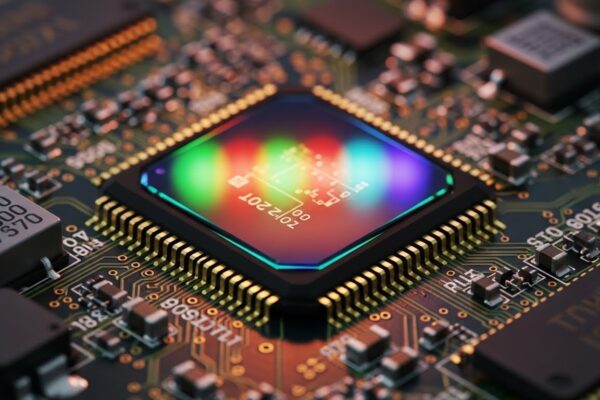
Technology has become the invisible thread that connects every aspect of modern life. From communication and healthcare to education and entertainment, it influences how we live, think, and interact. What was once a collection of mechanical tools has evolved into intelligent systems capable of learning and adapting. Technology no longer simply supports human activity; it shapes it. This transformation is both exciting and complex, offering countless opportunities while posing new challenges. In this blog, we will explore the depth of technology’s impact, its evolution, and how it continues to redefine the human experience.
The Journey of Technological Evolution
Human progress is deeply tied to technological evolution. The earliest humans used simple tools made from stone and wood. These primitive innovations helped them hunt, build shelters, and survive. As time passed, inventions such as the wheel, printing press, and electricity laid the foundation for modern civilization.
The 20th century introduced the age of electronics and computing, revolutionizing communication, science, and industry. The invention of the internet in the late 20th century brought about a digital explosion, enabling instant global connectivity. Today, technology advances at an exponential rate. Artificial intelligence, robotics, and quantum computing are pushing the boundaries of what was once unimaginable. Every generation experiences a leap that changes how humans perceive reality.
The Digital Transformation of Communication
The most visible impact of technology lies in communication. Once limited to handwritten letters and telegrams, communication is now instant and global. Smartphones, social media, and video conferencing have connected billions of people worldwide. This interconnectedness has broken geographical barriers and made information more accessible than ever before.
However, this transformation also brings challenges. The speed of information can lead to misinformation, and constant digital engagement may affect mental health. Balancing online and offline life is crucial. Despite these concerns, digital communication remains one of humanity’s greatest achievements, allowing cultures, ideas, and emotions to flow freely across continents.
Artificial Intelligence: The Brain of the Digital Age
Artificial Intelligence (AI) is one of the most powerful technological revolutions of our time. It mimics human intelligence, learns from data, and performs complex tasks with remarkable accuracy. From voice assistants and facial recognition to predictive analytics and autonomous vehicles, AI is transforming how we live and work.
In healthcare, AI helps diagnose diseases early and assists doctors in making informed decisions. In business, it optimizes operations, predicts market trends, and enhances customer experiences. Yet, AI also raises ethical concerns. Questions about job displacement, bias, and data privacy are critical. As we continue to develop intelligent systems, it is essential to ensure they serve humanity ethically and responsibly.
The Internet of Things: A Connected World
The Internet of Things (IoT) is turning everyday objects into smart devices that can collect and exchange data. From home appliances that learn your habits to industrial machines that monitor performance in real time, IoT is creating a world of seamless connectivity.
In agriculture, sensors track soil moisture and weather patterns to improve crop production. In healthcare, wearable devices monitor heart rates and send data directly to doctors. Smart cities are using IoT to manage traffic, conserve energy, and improve urban living. The convenience of connected devices is undeniable, but it also raises questions about data security and privacy. Safeguarding personal information must remain a top priority as our world becomes more connected.
Cloud Computing: The Power Behind Modern Innovation
Cloud computing has revolutionized how individuals and businesses store and access data. Instead of relying on physical storage devices, users can now save information on remote servers accessible from anywhere. This technology provides scalability, flexibility, and cost efficiency, making it essential for startups and enterprises alike.
Cloud platforms support collaboration across distances, allowing teams to work together in real time. The rise of remote work, especially after the global pandemic, has shown the true potential of cloud-based systems. It also supports the rapid development of artificial intelligence and data analytics, driving innovation across industries. The cloud is more than a storage solution; it is the backbone of the digital era.
Cybersecurity: Defending the Digital Realm
As technology evolves, so do threats against it. Cybersecurity has become one of the most critical aspects of the digital world. Every device, system, and user connected to the internet faces potential risks such as hacking, phishing, and identity theft.
Organizations are now investing heavily in advanced encryption methods, firewalls, and AI-driven security systems to protect sensitive information. Governments around the world are also developing regulations to ensure data protection and privacy. However, technology alone cannot guarantee safety. Human awareness plays a crucial role in preventing cybercrimes. Practicing safe digital habits, such as using strong passwords and avoiding suspicious content, helps build a safer digital ecosystem.
Automation and Robotics: The Future of Work
Automation and robotics are transforming industries by enhancing precision, productivity, and efficiency. Robots can now perform tasks that were once too dangerous or repetitive for humans. Factories use robotic arms to assemble products, while drones deliver goods and collect data from remote areas.
In the healthcare sector, robotic surgery enables doctors to perform operations with extreme accuracy. In logistics, automated systems streamline supply chains, ensuring faster and more reliable services. However, automation also sparks debates about the future of jobs. While some roles are replaced, new ones are created in programming, maintenance, and technology management. Continuous learning and skill development are key to thriving in an automated world.
5G Connectivity: The Next Generation of Speed
The introduction of 5G technology marks a new chapter in digital communication. With its incredible speed and minimal latency, 5G enables instant data transfer and supports the growing number of connected devices. This advancement will power innovations like autonomous vehicles, virtual reality, and remote surgeries.
For businesses, 5G means faster operations, improved data processing, and enhanced customer experiences. For individuals, it promises smoother streaming, quicker downloads, and more reliable connections. However, building the infrastructure for 5G requires significant investment and technological adaptation. Once fully implemented, it will redefine global communication and connectivity.
The Role of Technology in Education
Education has been one of the biggest beneficiaries of technological advancement. Digital platforms, online courses, and interactive learning tools have made education more accessible than ever before. Students can now learn from anywhere in the world, breaking down barriers of geography and cost.
Virtual classrooms and e-learning have become standard, allowing students to interact with teachers and peers in real time. Artificial intelligence personalizes education by analyzing student performance and tailoring lessons accordingly. Despite its benefits, digital education also faces challenges, such as unequal access to technology and internet connectivity. Ensuring that every learner benefits from digital tools is essential for inclusive progress.
Sustainable Technology: Innovation with Purpose
As climate change becomes a global concern, technology is being used to promote sustainability. Renewable energy systems, electric vehicles, and eco-friendly materials are helping reduce the environmental impact of industrial growth.
Green technology is not just an ethical choice; it is an economic opportunity. Companies are investing in clean energy and sustainable solutions that balance growth with environmental care. Smart grids, efficient waste management, and sustainable agriculture are all examples of how innovation can work in harmony with nature. The future of technology must align with the preservation of our planet, ensuring progress without destruction.
The Ethical Side of Innovation
Technology holds great power, but it must be guided by ethics. Issues such as data privacy, misinformation, and AI bias are critical in today’s world. Without proper regulation and moral responsibility, technological progress can harm society.
Ethical innovation means developing technology that benefits all people, not just a select few. It involves transparency, fairness, and respect for individual rights. Companies and governments must ensure that technological development aligns with human values. The future of technology should be inclusive, equitable, and sustainable.
The Future: Humanity and Technology as Partners
The relationship between humans and technology is evolving into a partnership. Emerging innovations such as quantum computing, biotechnology, and brain-machine interfaces are expanding human potential. Technology is no longer just a tool—it is becoming an extension of human capability.
In the future, humans and machines may work side by side, combining creativity with computational power. However, maintaining control and purpose is vital. Technology should always serve humanity, not dominate it. The goal is to create harmony between progress and human values, ensuring that innovation enhances life without diminishing what makes us human.
Conclusion
Technology is the defining force of our time. It shapes economies, transforms societies, and redefines the way we perceive the world. From artificial intelligence to sustainable innovation, its reach is limitless. Yet, the greatest challenge lies in using it wisely. The future depends not only on technological progress but also on human judgment, empathy, and responsibility.
As we continue to innovate, we must remember that technology’s true purpose is to improve lives. When guided by wisdom and ethics, it can build a future of equality, opportunity, and sustainability. The digital revolution is not just about machines; it is about people. And as long as humanity leads with conscience and creativity, technology will remain a force for good.