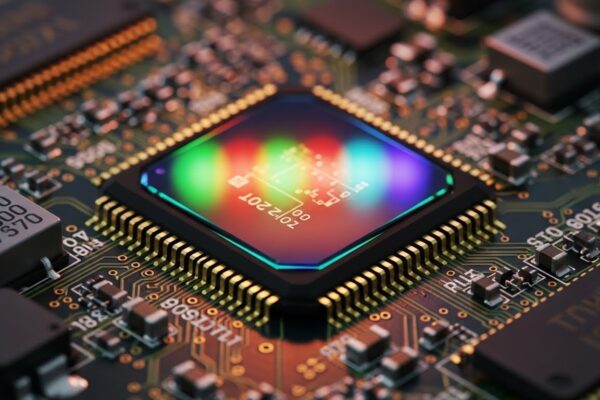
Technology is no longer just a tool; it has become the backbone of modern society. It influences the way we communicate, work, learn, travel, and entertain ourselves. From artificial intelligence to smart devices, technological advancements have transformed every aspect of human life, creating new opportunities while challenging traditional norms. The rapid pace of innovation ensures that the future of technology is both exciting and unpredictable. This blog explores the evolution of technology, its impact on daily life, the most transformative innovations, and what the future holds for a world increasingly shaped by digital progress.
The Evolution of Technology
Technology has been a driving force in human development since the earliest civilizations. Primitive tools and fire allowed early humans to manipulate their environment and enhance survival. The invention of the wheel, metallurgy, and agricultural tools laid the foundation for civilization, demonstrating humanity’s capacity for innovation.
The Industrial Revolution marked a turning point by introducing mechanization, steam engines, and mass production. This era transformed economies, labor systems, and societies, setting the stage for the digital revolution. Today, technology evolves at an unprecedented pace, touching every aspect of modern life and continuously expanding human potential.
Communication in the Digital Age
Communication technology has transformed the way humans interact. From handwritten letters and telegraphs to telephones and email, each innovation has reduced barriers and increased connectivity. The internet has created a global village, enabling instant communication across continents.
Social media platforms, video conferencing, and messaging apps allow individuals to stay connected in real-time. Businesses leverage these tools for collaboration, marketing, and customer engagement. Communication technology has not only made the world smaller but also more interconnected, shaping social norms and cultural trends.
Computing and the Rise of Artificial Intelligence
Computing technology has evolved dramatically from room-sized machines to powerful handheld devices. Modern computers are central to business operations, scientific research, healthcare, and entertainment. They process massive amounts of data, enable complex simulations, and support decision-making in virtually every field.
Artificial intelligence represents one of the most groundbreaking advancements in computing. AI systems analyze data, detect patterns, and make predictions, enhancing efficiency and problem-solving capabilities. Applications of AI include virtual assistants, healthcare diagnostics, predictive analytics, and autonomous vehicles. AI is not just a technological innovation; it is redefining industries and expanding the possibilities of human achievement.
The Internet and the Digital Transformation
The internet has become the foundation of modern society. It facilitates instant access to information, global commerce, and online education. Digital transformation refers to integrating digital technologies into all areas of society, revolutionizing how businesses, governments, and individuals operate.
Companies leverage cloud computing, data analytics, and online platforms to streamline operations, improve customer experiences, and drive innovation. Digital tools enhance education, healthcare, and public services, making them more accessible and efficient. The internet has transformed the world into a connected ecosystem where information and opportunities are available at the click of a button.
Mobile Technology and Ubiquitous Computing
Mobile technology has brought computing power to our fingertips. Smartphones and tablets allow users to access information, social networks, and services anytime, anywhere. Mobile apps transform daily activities, from shopping and banking to navigation and entertainment.
Ubiquitous computing, or pervasive computing, integrates technology seamlessly into our surroundings. Smart homes, wearable devices, and connected vehicles create an environment that anticipates needs and optimizes efficiency. Mobile technology ensures that access to digital resources is immediate, convenient, and highly personalized, making it an essential part of modern life.
Innovations in Healthcare Technology
Technology has revolutionized healthcare, improving diagnosis, treatment, and patient care. Imaging tools, robotics, telemedicine, and wearable devices enable faster and more accurate medical services. AI algorithms assist doctors in diagnosing diseases, predicting outcomes, and personalizing treatment plans.
Telemedicine allows patients to consult healthcare professionals remotely, breaking down barriers to access. Wearables monitor vital signs and encourage proactive health management. Biotechnology, powered by computational tools, is advancing genetic research, drug development, and personalized medicine, illustrating how technology is enhancing both the quality and accessibility of healthcare.
Transportation and Autonomous Systems
Transportation is experiencing a technological transformation. Electric vehicles reduce reliance on fossil fuels, while autonomous vehicles promise safer and more efficient travel. Innovations like hyperloop systems, drones, and smart logistics are reshaping mobility and delivery networks.
Smart transportation networks use sensors, AI, and data analytics to optimize traffic, reduce congestion, and improve safety. These systems not only enhance efficiency but also contribute to sustainability. Transportation technology is creating a future where mobility is intelligent, environmentally friendly, and more accessible to all.
Entertainment and Immersive Experiences
Technology has transformed entertainment, offering new ways to experience movies, music, games, and live events. High-definition graphics, immersive audio, streaming platforms, and interactive gaming create experiences that are engaging and socially connected.
Virtual reality (VR) and augmented reality (AR) offer immersive experiences that blend physical and digital worlds. Gaming has evolved into a multi-billion-dollar industry, incorporating advanced graphics, complex narratives, and global online communities. Entertainment technology demonstrates the potential of digital innovation to engage, educate, and inspire.
Cybersecurity and Data Privacy
As technology becomes integral to life, cybersecurity and privacy are critical concerns. Protecting sensitive information, financial data, and personal details requires advanced encryption, threat detection, and authentication systems.
Cybersecurity threats are constantly evolving, prompting businesses and governments to implement comprehensive security measures. Data privacy is equally important, with policies and technologies ensuring that personal information is handled responsibly. Trust in digital systems is essential for the continued adoption and advancement of technology.
Technology in Education
Education has been transformed by technology, making learning more accessible, interactive, and personalized. Online courses, virtual classrooms, educational apps, and AI-based tutoring systems enable students to learn at their own pace and from any location.
Technology enhances understanding through simulations, interactive exercises, and adaptive learning platforms. Global connectivity allows collaboration across borders, broadening perspectives and fostering cross-cultural exchange. Educational technology equips learners with the skills necessary for a rapidly evolving digital world.
Sustainability and Green Technology
Technology is playing a key role in promoting sustainability. Renewable energy sources, energy-efficient devices, smart grids, and environmentally conscious designs reduce carbon footprints and minimize ecological impact.
Smart cities leverage technology to optimize energy consumption, transportation, and resource management. Sensors, data analytics, and AI enable sustainable urban planning, improving quality of life while reducing environmental strain. Technology allows societies to pursue economic growth without compromising the planet’s health.
The Future of Technology
The future of technology promises deeper integration into daily life and society. Artificial intelligence, quantum computing, biotechnology, and advanced robotics will continue to transform industries and human experiences.
Technology will increasingly focus on personalization, automation, and efficiency, enhancing human potential. Emerging innovations will facilitate smarter cities, connected healthcare, immersive entertainment, and sustainable solutions. Ethical considerations, security, and equitable access will guide the responsible development of future technologies. The possibilities are endless, and the pace of change ensures a continuously evolving digital landscape.
Conclusion: Technology as a Catalyst for Progress
Technology is a fundamental driver of human progress. It enhances communication, healthcare, transportation, education, and entertainment while opening new horizons for creativity and innovation. From the earliest tools to today’s AI-driven systems, technology reflects human ingenuity and the desire to improve the world.
As innovation continues, society must embrace technology responsibly, balancing efficiency, accessibility, and ethics. By doing so, technology will remain a catalyst for progress, connecting people, solving problems, and expanding the possibilities of human achievement. The digital age is not just a period of change; it is a transformation of how we live, interact, and envision the future.